University of Toronto India Foundation

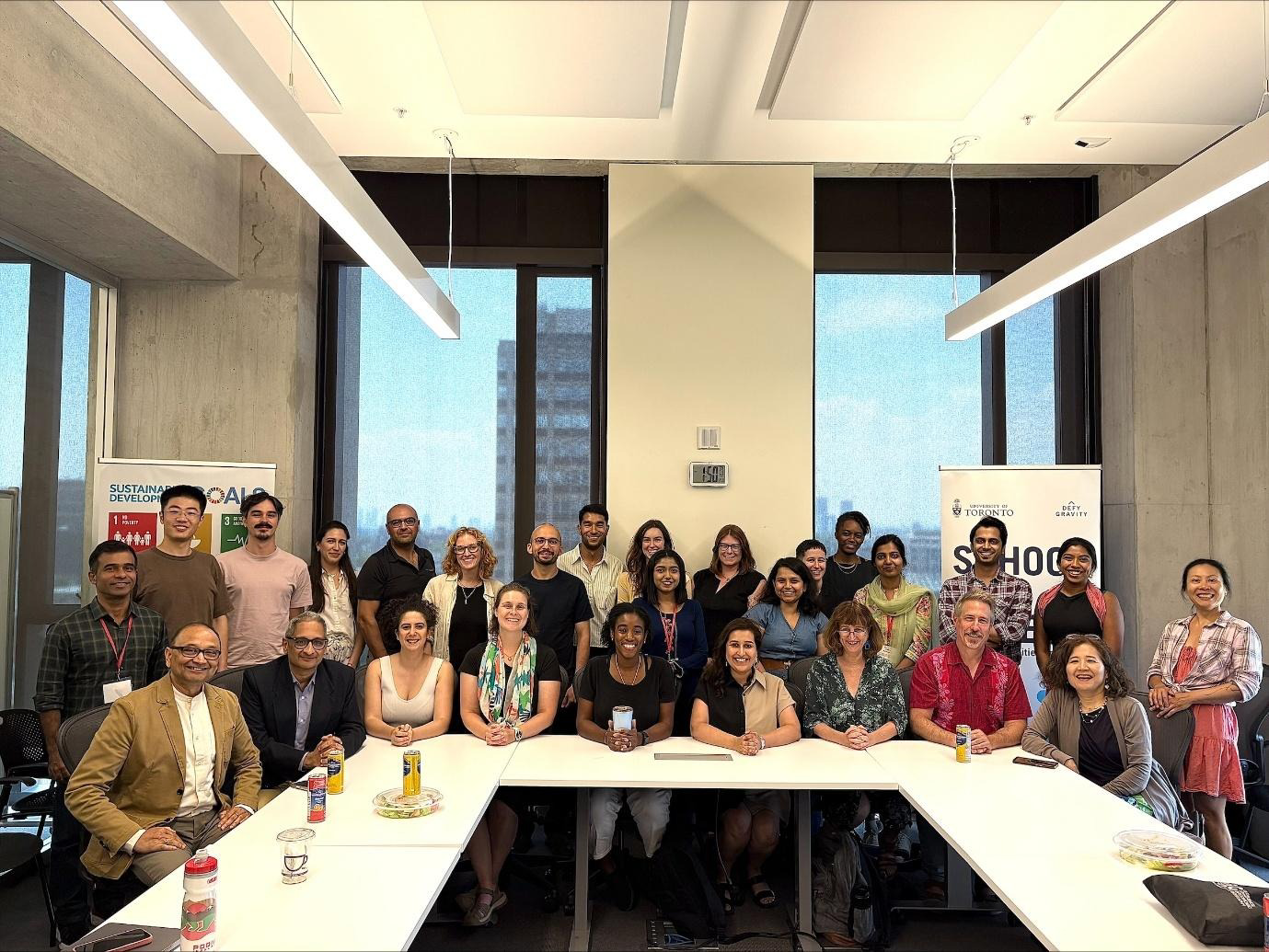


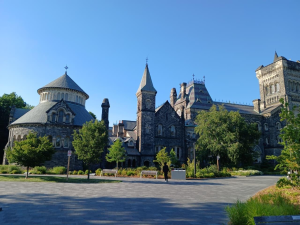
Figure 1: University of Toronto, Canada
As I boarded my flight from Mumbai to Toronto, I reflected on the unique opportunity ahead. I was traveling as part of the inaugural cohort of the ‘Urban Studies Teaching and Research Fellowship’, a brilliant new collaboration between the Tata Institute of Social Sciences (TISS) and the University of Toronto. This blog chronicles the research component of that fellowship: my experience at the 2025 School of Cities Summer Workshop on Urban Mixed Methods, made entirely possible by the generous support of the UofT India Foundation. My deepest gratitude goes to them and the U of T international office for this transformative experience.
July 22: Arrival, Introductions, and First Impressions
Even though Canada is located in the other side of the globe, f for Indians, it has always felt like a neighbouring country because it has provided space for many Indians to migrate and build a better life. Thus, stories from Canada did not feel that distant to people in India. However, we realised that physical distance is not as easy to bridge as sharing stories. The 16 hours journey and jet lag had shaken us a little bit, still the excitement to land in Toronto was high. The interesting fact was, Rajesh and I started our journey at midnight in India, crossed Europe and the Atlantic Ocean, yet we reached Toronto during the afternoon hours.. The sun was bright even at 7 PM in Toronto and when we checked, sunset was scheduled for 9 PM! This was a completely new experience and it was thrilling to realise just how vast and fascinating our Earth truly is.
Figure 2: A sunny day in summer, Toronto
The School of Cities, University of Toronto, had sent every detail on how to reach the university beforehand, including navigation maps. But, as a few of my undergraduate college friends were in Toronto, they had come to pick us up and helped to reach the university. We decided to explore public transport in the coming days. After the sunset in summer, the major impression about Toronto was the clean city areas and wider roads, along with the silence and discipline of vehicles in the traffic. The roads and sideways looked completely empty, contrary to Mumbai, where we are from! There were only a handful of people outside on the roads, which is almost unimaginable in Mumbai. We could not believe that we had reached one of the most populous towns in Canada!
Figure 3: Whitney Hall
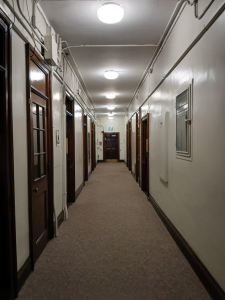
Figure 4: Dormitory, Whitney Hall
The workshop accommodations were conveniently located at Whitney Hall (55 St. George St.). Each participant had their own private bedroom in the gender-neutral dormitory. From there, it was a short walk to our venue, the Myhal Centre for Engineering Innovation and Entrepreneurship.
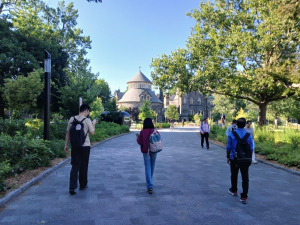
Figure 5: workshop participants
The first day of the workshop kicked off with a welcome from Prof. Karen Chapple, the Director of the School of Cities, U of T. She explained the workshop’s goals and introduced the fantastic coordinating team: Serene Tan, the research officer who helped to manage the program, and Austin Grant, the events coordinator and travel logistics. She also applauded the mastermind behind 2025’s program, Dr. Aditi Mehta. The third edition of annual summer workshop on mixed methods across the disciplines had 23 doctoral candidates from 17 universities around the world and met with 8 professors from 7 universities. The goal was to learn from each other and share research methods in the context of urbanism and cities, which instantly created an international and interdisciplinary atmosphere.
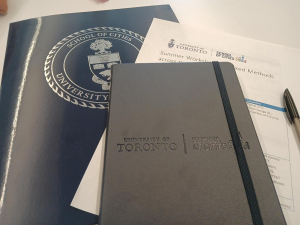
Figure 6: First day!
The icebreaker was innovative and effective. We had all been asked to prepare a one-minute introductory slide. This wasn’t just about our research; people shared diverse hobbies and passions, all from acting to trekking. It immediately broke down formal barriers and allowed us to connect as individuals beyond our academic titles.
The workshop continued with a fascinating session by Prof. Subhro Guhathakurta on “What are Mixed Methods.” He expertly explained the core terminology, the difference between methods and methodology, and when to employ a mixed-methods approach. A memorable analogy he used was that of storytelling, where qualitative and quantitative methods complement each other as the “flesh and bones” of research. He also noted that methodologies are dynamic and can evolve throughout a project. The session ended with an engaging Q&A.
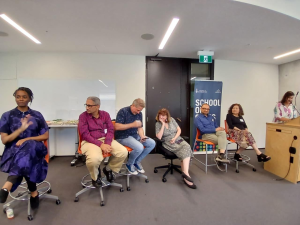
Figure 7: Faculty Panel Discussion (from the left, Sheryl Ann, Balaji Parthasarathy, Matt Zook, Karen Chapple, Subhro Guhathakurta, Yuko Aoyama and Aditi Mehta)
After the lunch break, an opening panel discussion facilitated by Dr. Aditi Mehta began. The panel, which included Prof. Karen Chapple, Prof. Yuko Aoyama from Clark University, Prof. Subhro Guhathakurta from Georgia Institute of Technology, Prof. Sheryl Ann from Carleton University, Prof. Balaji Parthasarathy from International Institute of Information Technology, and Prof. Matt Zook from University of Kentucky (with Prof. Melissa Chinchilla from University of California unable to attend), focused on practical research experiences using mixed methods. It was enriching to hear about their diverse work, ranging from studies on platform workers in Bangalore to communities in Toronto. They emphasized that quantitative data offers generalizability, while qualitative data provides specificity, making them a powerful combination. Hearing their diverse approaches to urban research was incredibly inspiring and set the stage for the deep dives to come.

Figure 8: Few food items that were shared with us
For a more connected discussion, we then broke into smaller groups based on our pre-submitted research proposals. This allowed us to quickly understand each other’s work. I was placed in Prof. Balaji’s group with Muhammad and Trisanki. This was our first chance to delve into each other’s research projects and start thinking collaboratively. We had to present our PhD work with a special focus on methodology on the final day of the workshop.
Prof. Balaji provided clear guidance through critical questions, encouraging us to apply these questions to our individual researches. He emphasized that a well-defined project should be explainable in one or two sentences to any acquaintance, as it demonstrates clarity of the research question. Furthermore, he advised us to anchor our study by defining a central dependent variable. The core of the research, he suggested, should then focus on explaining the variation in this variable through explanatory factors and measurable indicators. This approach was highly intriguing and prompted a deep re-evaluation of our existing methodologies.
The day concluded not in a classroom, but at the Prenup Pub on College Street for a workshop social. It was at a walkable distance from the university. Over light refreshments, we continued the conversations started earlier, transforming from a group of strangers into the beginnings of a cohesive research community.
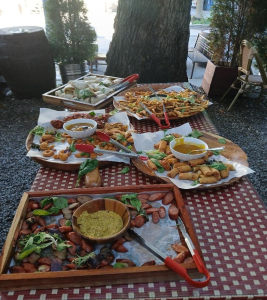
Figure 9: From workshop socialisation
After the socialisation event, a few of us decided to shake off the travel fatigue and explore the city. (Though, to be fair, a few of our friends were still back at the hall, losing the battle against jetlag!) We decided to embrace the local way to get around: the tram system. It turned out to be incredibly convenient, trams arrived like clockwork every 10 minutes and were pleasantly uncrowded. The best part? The payment system was seamlessly digital. A simple swipe of our credit or debit cards was all it took for a ticket that cost about $3.35 CAD and gave us a full two hours of travel.
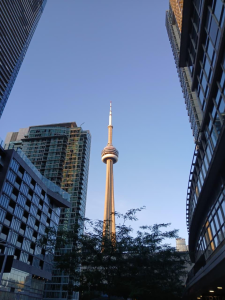
Figure 10: The CN Tower
Our first and only target for the evening was the iconic CN Tower, one of the tallest structures in the world. It stands proudly in the heart of downtown Toronto, the city’s vibrant epicentre. As evening set in, the area was buzzing with both tourists and Torontonians alike. The tower is surrounded by other attractions like the Aquarium and art galleries; all nestled among major corporate skyscrapers and bustling hostels. We joined the crowd, attempting to capture the perfect photo as the sky darkened. We even waited around specifically to see the tower illuminated, a Toronto tradition where the lights change colour each night. That evening, we were treated to a stunning, deep blue hue. After spending a few more hours wandering the vibrant streets, soaking in the energy, we hopped back on a tram and headed to our temporary home at Whitney Hall, already planning our next adventure.
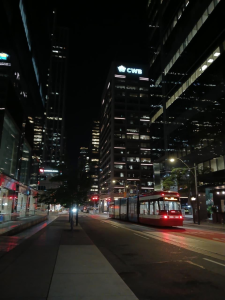
Figure 11: Tram and night view of down town, Toronto
July 23: Fieldwork in Kensington Market and Methodological Deep Dives
The second day was the heart of the workshop, a full immersion into applied mixed methods. It began with a breakfast panel on the “Realities of Fieldwork,” where faculty shared candid stories of challenges and triumphs from their own research, a much-needed dose of practicality. The session was chaired by Prof. Chapple. The day began with a mix of apprehension and excitement, the kind that only comes with venturing into a completely new field site. This nervous energy was palpable among the participants, leading to a flurry of questions for our facilitators, who patiently clarified our doubts and prepared us for the task ahead.
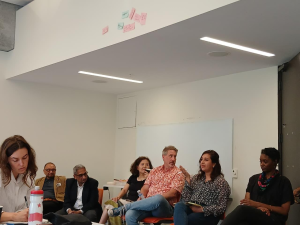
Figure 12: Briefing by faculties before fieldwork assignment
Then, led by Prof. Aditi Mehta, we embarked on our fieldwork. Kensington Market is a vibrant, eclectic, historically rich neighbourhood, and a perfect living lab. This was far from a passive tour; we were tasked with actively observing the urban fabric, noting interactions, economies, and social spaces through our specific research lenses. The energy was incredible: colourful shops, diverse crowds, and the enticing aromas from food stalls created a rich tapestry of data.
Our mission: a two-hour fieldwork sprint in Toronto’s iconic Kensington Market.
The plan was to spend 45 minutes on-site, with the remaining time dedicated to analysis and presentation. To guide us, we had been provided with socio-economic and demographic data about the neighbourhood beforehand. For convenience, we divided into faculty-led teams. I joined the group led by Professors Yuko and Balaji. Our team, which included Mohammed, Trisanki, Aila, Ashton, and Laysa decided to split up and walk through the vibrant streets, each of us noting our observations with a plan to reconvene an hour later to compare notes.
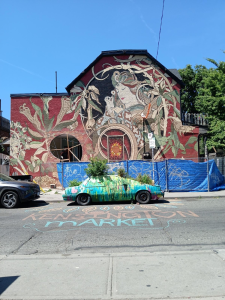
Figure 13: Kensington market
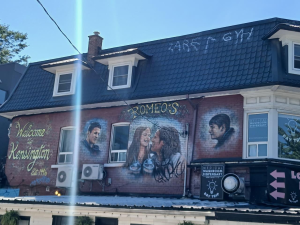
Figure 14: Graffities of Kensington market
After our immersive exploration, we regrouped to do what researchers do best: make sense of it all. Facilitated by our professors, we discussed and began to analyse the qualitative and quantitative data we had gathered. This rapid cycle from collection to analysis was a powerful, hands-on lesson in mixed methods research.
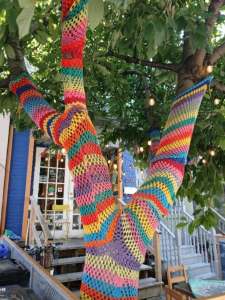
Figure 15: Art work at the Kensington market
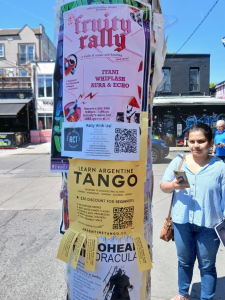
Figure 16: Flyers and posters around the city
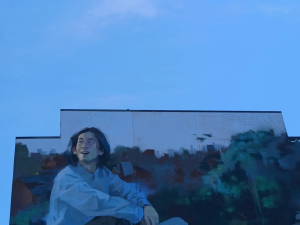
Figure 17: A graffiti on one of the walls
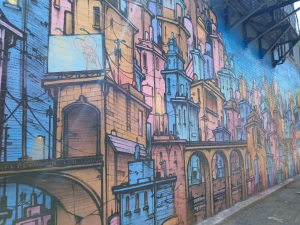
Figure 18: Another graffiti
Following a much-needed coffee break, the afternoon was dedicated to a series of concurrent sessions where we could choose our own focus. The options included a session on AI in Research with Prof. Matt Zook, another on Narrative & Content Analysis and Community Participatory Action Research with S Prof. hery-Ann Simpson and Prof. Aditi Mehta, and a third on Interviews & Surveys with Prof. Yuko Aoyama and Prof. Balaji Parthasarathy. With my PhD data collection about to begin, I chose the session on interviews and surveys. Professors Yuko and Balaji shared invaluable practical tips and tricks, focusing not just on technique but also on the critical ethics of care and attention required when interviewing vulnerable communities. This structure allowed us to tailor the workshop to our specific needs, sending us away with actionable skills we could immediately apply to our projects. It was a day that perfectly blended theory with practice, leaving us all feeling more confident and equipped for the research ahead. After the second day, most of us choose to stay at the hostel and work on the next day presentation.
July 24: Synthesis, Presentations, and Farewell
The final day was dedicated to synthesis and application. After breakfast, we returned to our small groups for an intensive session of data analysis and discussion, now equipped with the new tools from the previous day’s sessions. The most valuable segment followed: presentations and discussions of our individual research projects. Each scholar had the opportunity to present their work and receive feedback from both peers and faculty mentors. The interdisciplinary nature of the group meant the feedback was incredibly rich, offering perspectives we would never have encountered within our own silos.
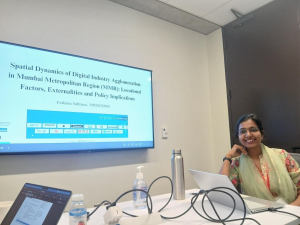
Figure 19: Presentation of my PhD proposal
The workshop concluded with a final plenary reflection session in the School of Cities Hall. We shared our key takeaways, reflected on our learning journeys, and discussed how we would integrate these new methods into our work. Prof. Karen Chapple provided closing remarks, leaving us not with an ending, but with a beginning, the start of a new network of colleagues and a renewed enthusiasm for our research.
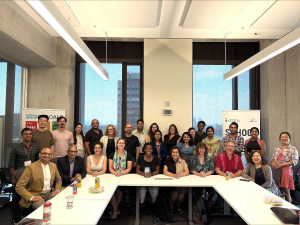
Figure 20: Workshop participants with faculties and organisers
After the workshop, Rajesh and I were invited to the dinner by Prof. Aditi Mehta along with the students who visited India for summer abroad program. We had the dinner at a Chinese restaurant in China town part of the Toronto. After the dinner, one of the students, Kaitylyn had given us China town walking tour. Two other students, Caitlyn and Veej also joined the walk. She explained the history and ongoing trouble of land and housing issues in the area. She also taken us to the NGO she is volunteering with. Grateful to Prof. Mehta and students for the wonderful hosting!
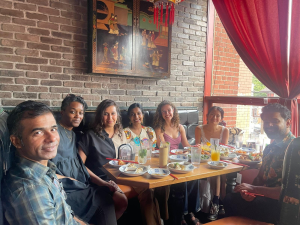
Figure 21: Dinner at China Town, Toronto with Prof. Aditi Mehta and the students
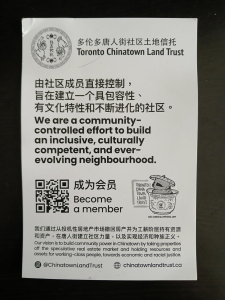
Figure 22: Pamphlet of an NGO at Chinatown
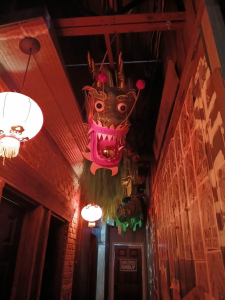
Figure 23: Another view of China town
July 25: Additional Activities and City Hall Visit
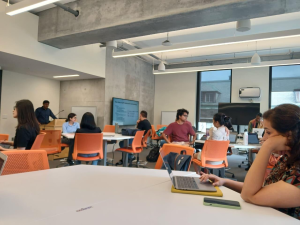
Figure 24: Special training session on AI and social science research
While the official workshop concluded on July 24th, an exciting day of additional activities was arranged for students from the University of Toronto and visiting Indian universities.
The day began with a Training session on ‘The Use of AI And Machine Learning of Social Sciences, facilitated by the Centre for Analytics and Artificial Intelligence Engineering, Faculty of Applied Science and Engineering, University of Toronto. This interactive workshop included a hands-on coding practice, and We were advised to bring our laptops to this interactive workshop which included a hands- on coding practice.
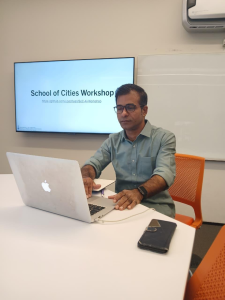
Figure 25: Rajesh, a fellow scholar from TISS
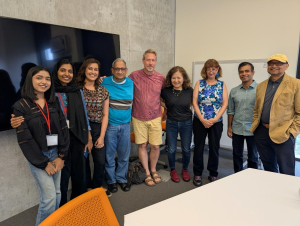
Figure 26: Students from Indian universities with the faculties
Following the session, there was a special visit to the Toronto’s City Hall arranged for the three of us from the Indian universities . The City Hall serves as the administrative heart of the Greater Toronto Area. We were accompanied by Andrea Russel, the Director of International Relations, who first gave us a fascinating walking tour of the campus and the surrounding downtown core. She also treated us to a delightful lunch at a Mexican restaurant.
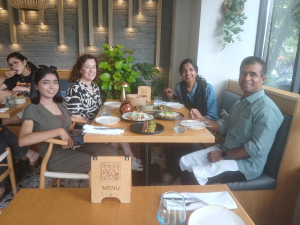
Figure 27: Lunch with Andrea Russel, Director of International Relations, U of T
Our walk concluded at the Nathan Philips Square, which is an urban plaza in Toronto. It forms the forecourt to Toronto City Hall, or New City Hall, and is named after Nathan Phillips, mayor of Toronto from 1955 to 1962. The square was designed by the City Hall’s architect Viljo Revell. It opened in 1965. The square is a site for concerts, art displays, a weekly farmers’ market, the winter festival of lights, and other public events, including demonstrations. During winters, the reflecting pool is converted into an ice rink for ice skating. The square attracts an estimated 1.5 million visitors yearly with an area of 4.85 hectares (12.0 acres), as it is Canada’s largest city square.
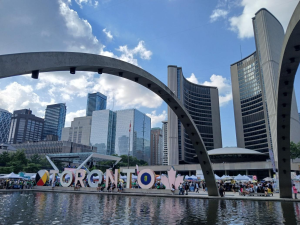
Figure 28: Nathans Philips Square and The New City Hall
The square was vibrant with energy, as the annual Vietnam Festival was in full swing. We learned that throughout the summer, the city hosts cultural festivals each weekend, celebrating Toronto’s incredible diversity. Andrea had booked us a guided tour of the City Hall itself, which is open to the public. Two knowledgeable guides walked us through the building, renowned for its striking modern architecture.
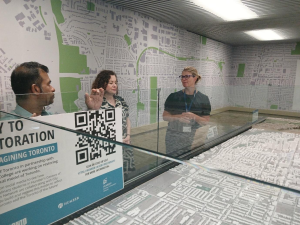
Figure 29: Guided tour of the City Hall
We even had the opportunity to meet with one of the city’s ward councillors, Dianne Saxe, an energetic and engaging person who gave us valuable insight into the administrative functions of Toronto, specially focussing on green city initiatives. We were all given the chance to ask questions about local governance. We had hoped to visit the mayor’s office as well, but as luck would have it, she was busy with a meetings.
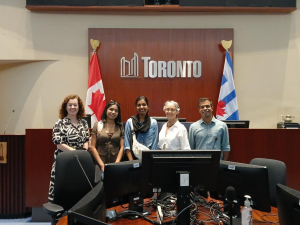
Figure 30: With the Ward Councillor, Dianne Saxe
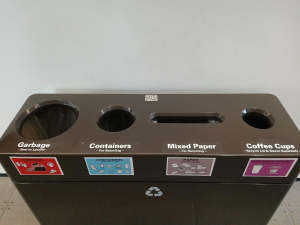
Figure 31: Waste Segregation containers in the University
It was truly an immersive day, offering the perfect blend of academic enrichment and cultural exploration. There was also a tour in Toronto’s Little India, focused on informal food and multiculturalism followed by dinner in downtown Toronto plaaned for us the next day. However, as some of us wanted to visit the Niagara Falls, one the magnificent waterfalls located in the border of Canada and USA, we had to cancel the plan.
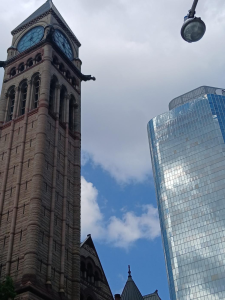
Figure 32: The intersection of old and new city
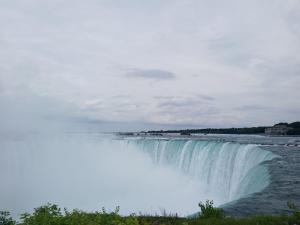
Figure 33: Niagara Falls
To conclude, the Summer Workshop was more than just an academic exercise; it was a profound cultural and intellectual exchange. It challenged our methodological assumptions, provided us with a new toolkit for engaging with urban complexity, and most importantly, created a lasting community of scholars passionate about just and equitable cities. I returned to India not only with pages of notes but with new friends, collaborators, and a broader, more global perspective on urban research.
Our deepest gratitude to the School of Cities, U of T, the UofT India Foundation, and all the organizers and faculty who made this transformative experience possible. This fellowship has indelibly shaped my academic journey, and for that, I am deeply thankful.
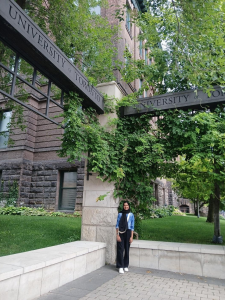
Figure 34: Author at the University of Toronto