University of Toronto India Foundation

Catalyzing research through collaborative partnerships

UTIF’s Research & Education vertical builds interdisciplinary collaborations between U of T and Indian academic, community, government, and implementation partners to generate high-quality, locally grounded evidence for sustainable development.

Through collaborative research, capacity building, and strategic convenings, UTIF connects academic expertise with implementation contexts and strengthens pathways between evidence, policy, and practice.

Increasingly, the vertical is focused on translating and mobilizing this evidence through government engagement, knowledge products, cross-project learning, and the adaptation and scaling of successful approaches across institutions and geographies.

The School of Cities

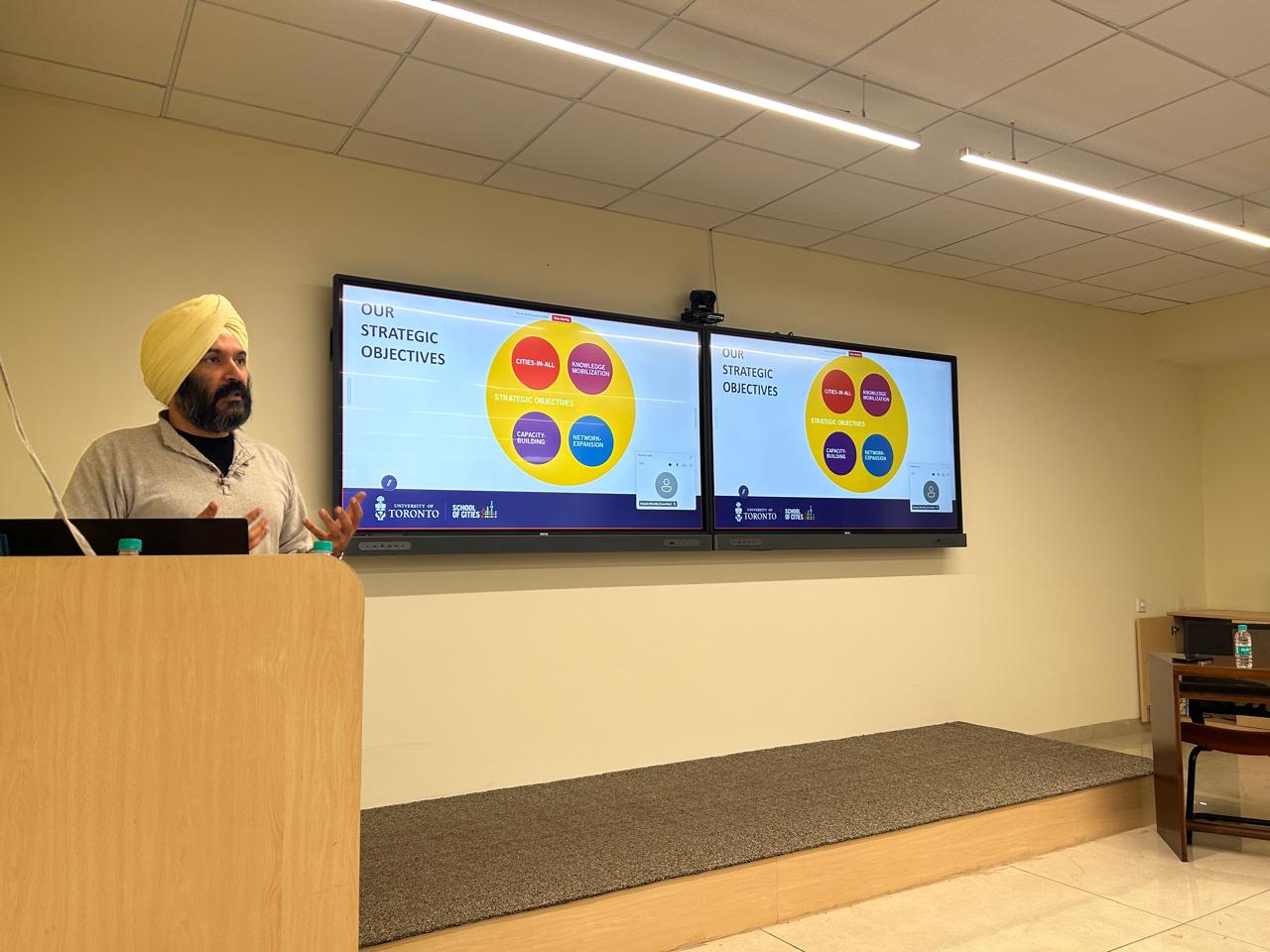
We work closely with the University of Toronto School of Cities, a unique multidisciplinary hub for urban research, education, and engagement, creating new and just ways for cities and their residents to thrive.

Our research portfolio is organized around three key formats.

Research Initiatives

UTIF’s research initiatives support collaborative, implementation-oriented research addressing complex sustainability and urban challenges across India. Through these initiatives, UTIF bridges U of T expertise with Indian academic, community, government, and implementation partners to generate locally relevant and policy-responsive evidence. The portfolio fosters research partnerships through theme-focused and place-based engagements, creating pathways for evidence to inform implementation, planning, and policy.

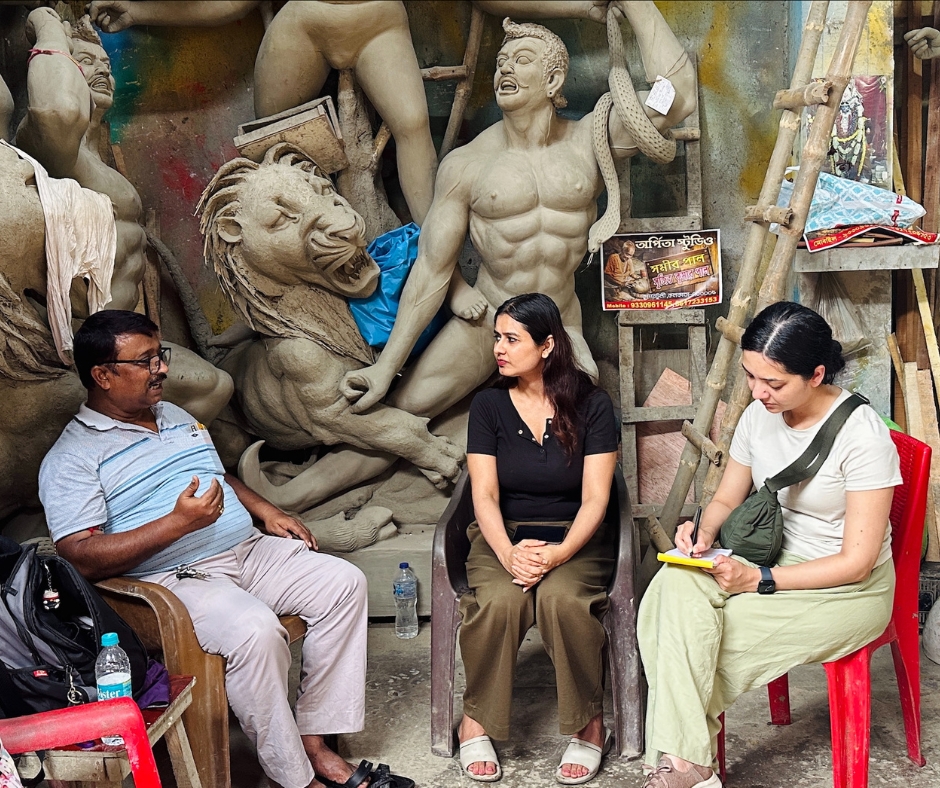
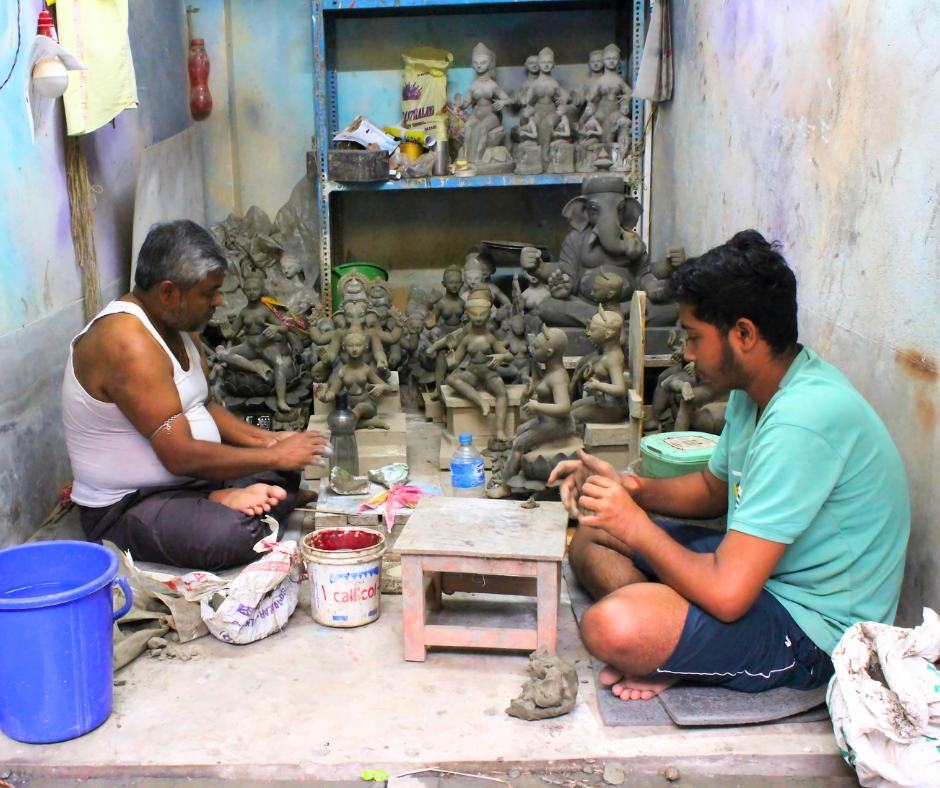
The Research Catalyst Grant (RCG), a joint initiative of UTIF and U of T School of Cities India, supports collaborative, sustainability-focused research between Indian partner organizations and U of T researchers to address sustainability challenges across diverse Indian city contexts. Since its inception, UTIF has implemented three cohorts of Research Catalyst Grants. 

UTIF and Mahila Housing Trust (MHT) formalized a partnership in April 2025 to implement a two-year project on heat vulnerability mapping and Heat Action Plan (HAP) development for Jalgaon City, in collaboration with the Jalgaon City Municipal Corporation (JCMC). The initiative aims to establish Jalgaon’s heat threshold and pilot resilience measures in high-risk areas, benefiting nearly 600,000 residents while strengthening MHT’s capacity to scale climate resilience models across cities. This project advances urban sustainability research and contributes to sustainable urban development in India, positioning Jalgaon as a model for community-led climate action. 
 

UTIF’s Urban Water Management (UWM) project in Odisha is a multi-year research initiative exploring how AI- and technology-enabled decision-support systems can strengthen urban water and sewerage planning. The project brings together research, data integration, and predictive approaches to support more informed decision-making while complementing existing systems and infrastructure. Through a state- and city-focused approach, the initiative aims to generate scalable solutions for more responsive and sustainable urban water management. With U of T faculty contributing expertise in AI, baseline assessments, and the water–energy nexus, the initiative advances urban sustainability research in India while supporting sustainable urban development in India, positioning the pilot city as a model for climate-smart, citizen-centric governance. 

UTIF has partnered with Manjula Bharathy, Professor, School of Habitat Studies, TISS, Mumbai and Waatavaran to implement a three-year project in Raigad focused on hosting local CoPs and localizing SDGs for community-led climate action with ASAR Social Impact Advisors and Policy Development and Advisory Group (PDAG) supporting the project in advisory capacities. 

The TISS-UTIF COP, inspired by the Conference of Parties on Climate Change, is an initiative aimed at addressing climate change at a community level. The initiative positions Panchayati Raj Institutions (PRIs) as central to climate planning, advancing participatory, locally grounded frameworks that bridge global climate commitments with equitable, on-ground action. With U of T faculty contributing research, training, and policy guidance, the project aims to embed climate priorities into governance and generate models of decentralised, community-led climate action that can inform policy in India and across the Global South.  


Research Convenings

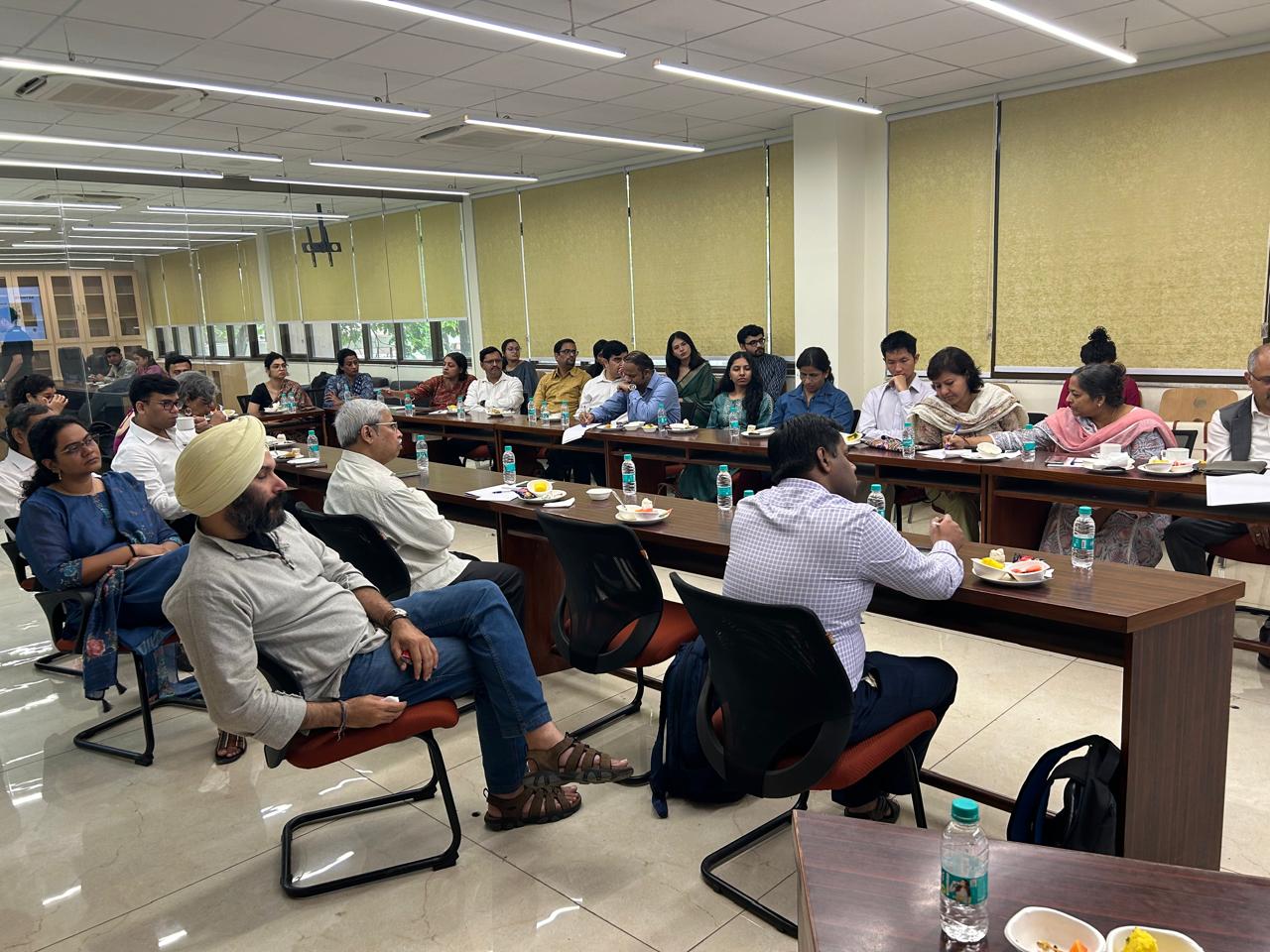
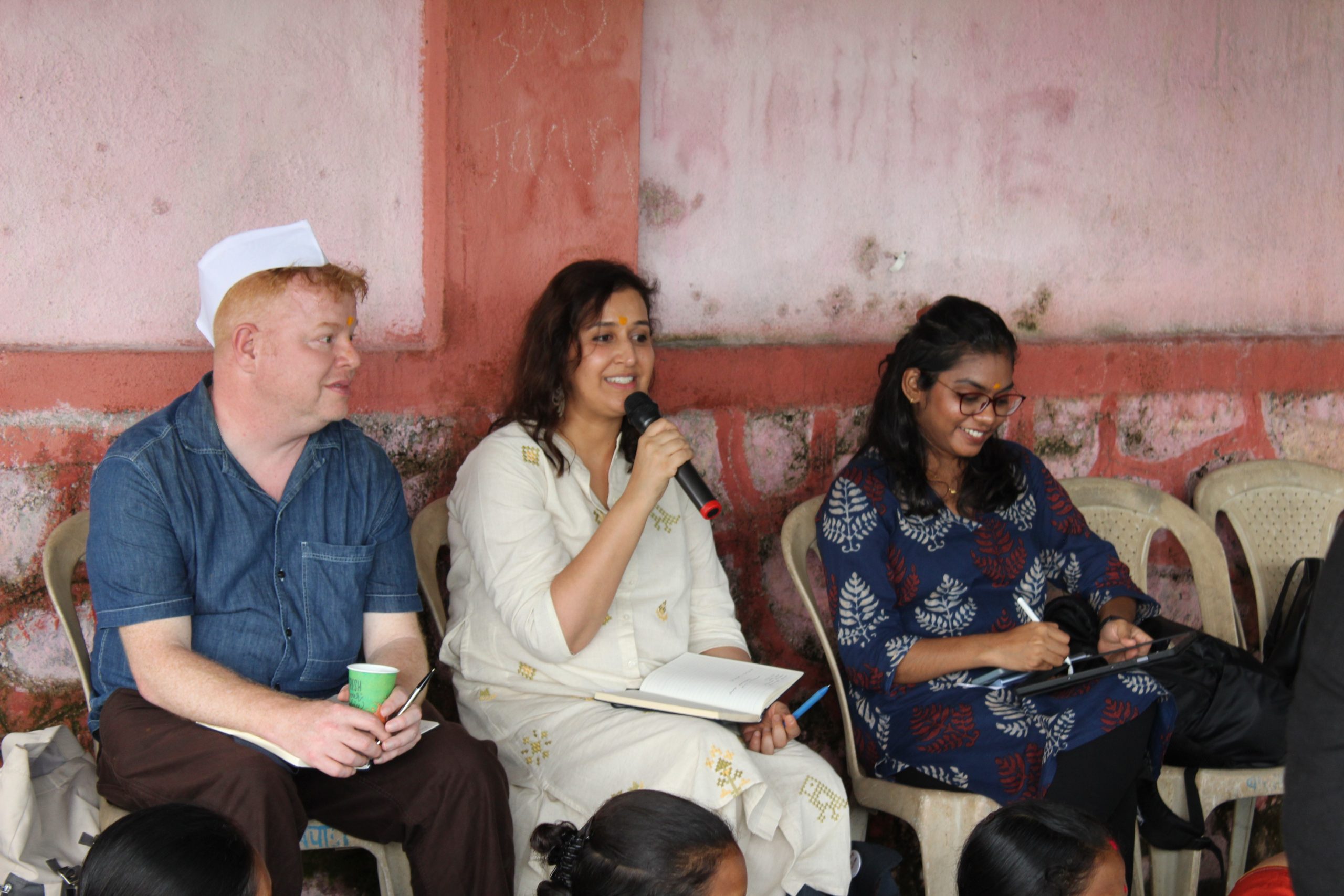
UTIF's strategic convenings create platforms for researchers, governments, practitioners, communities, and academic institutions to exchange evidence, strengthen partnerships, and identify pathways for translating research into policy and practice. Through dialogues, roundtables, and stakeholder consultations, UTIF fosters interdisciplinary collaboration while supporting evidence-informed decision-making across its research portfolio.

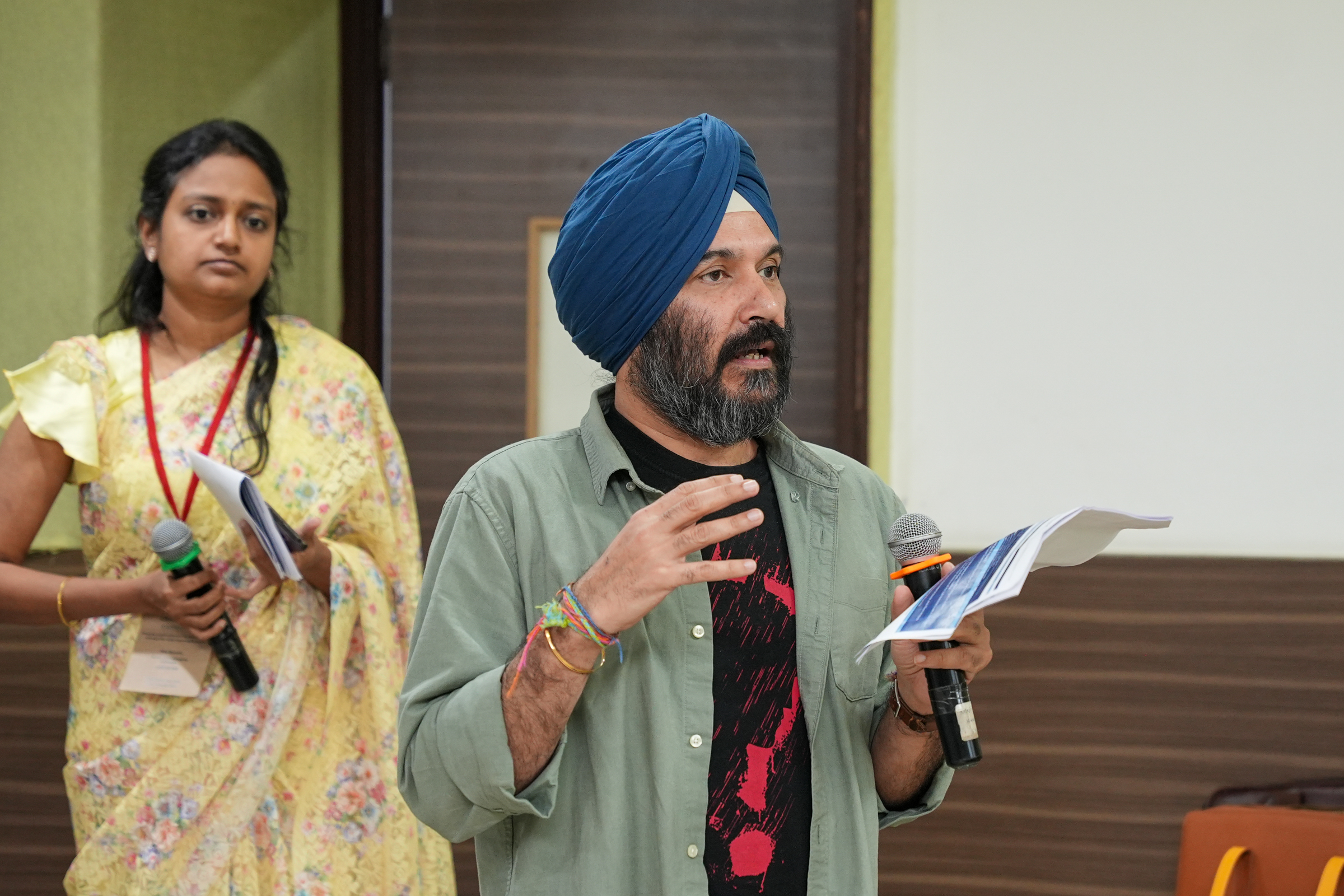
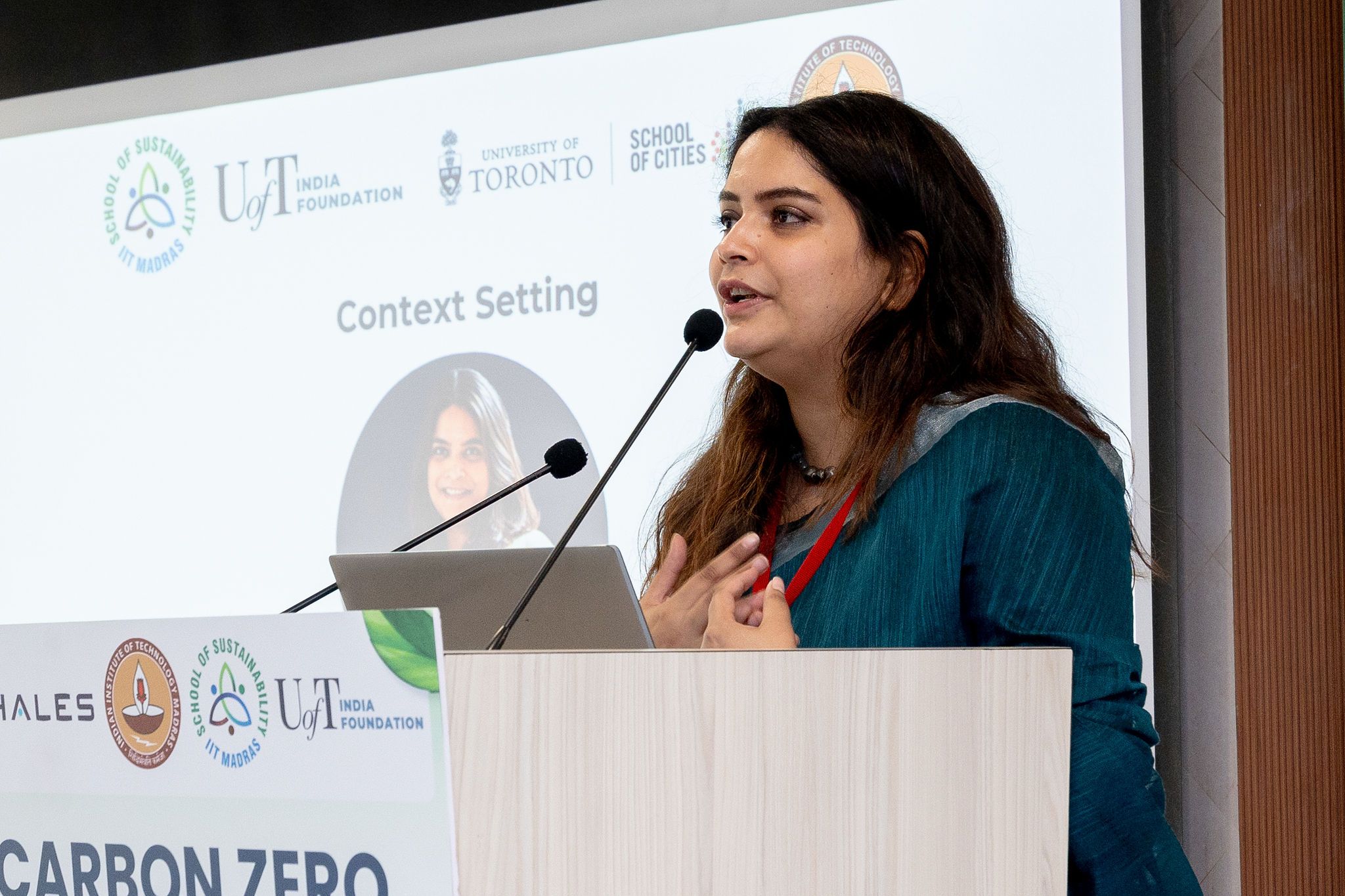
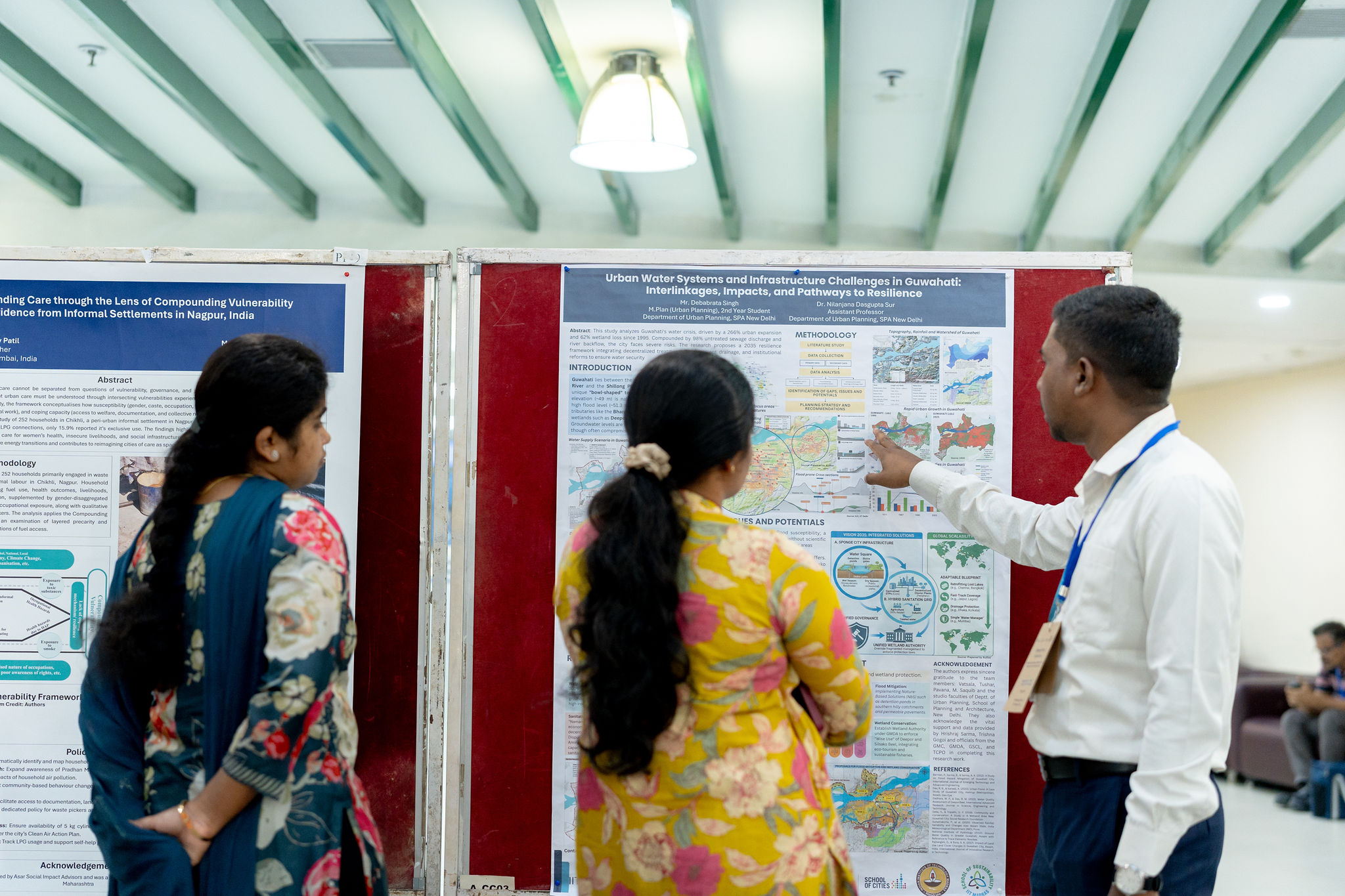
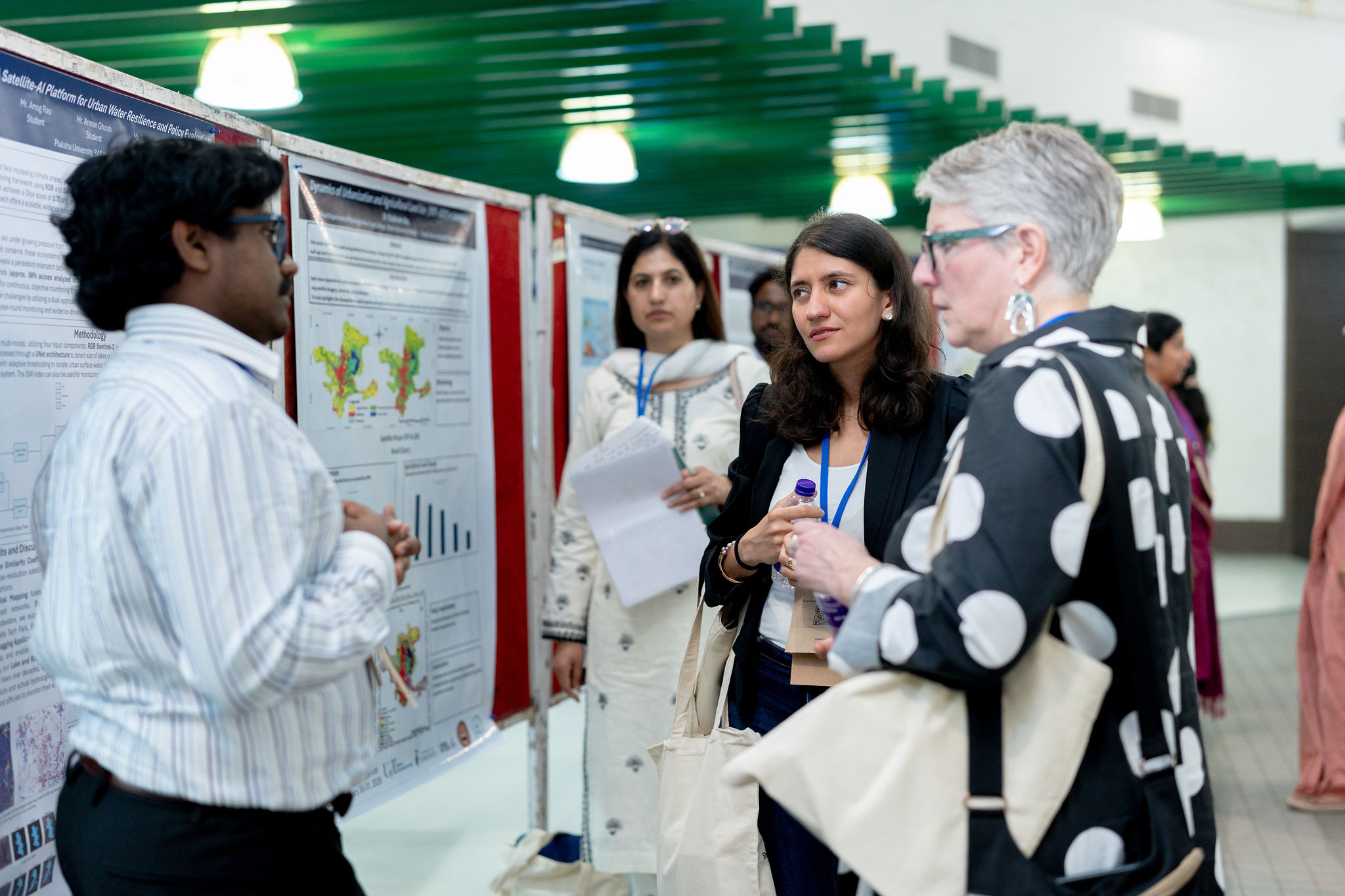
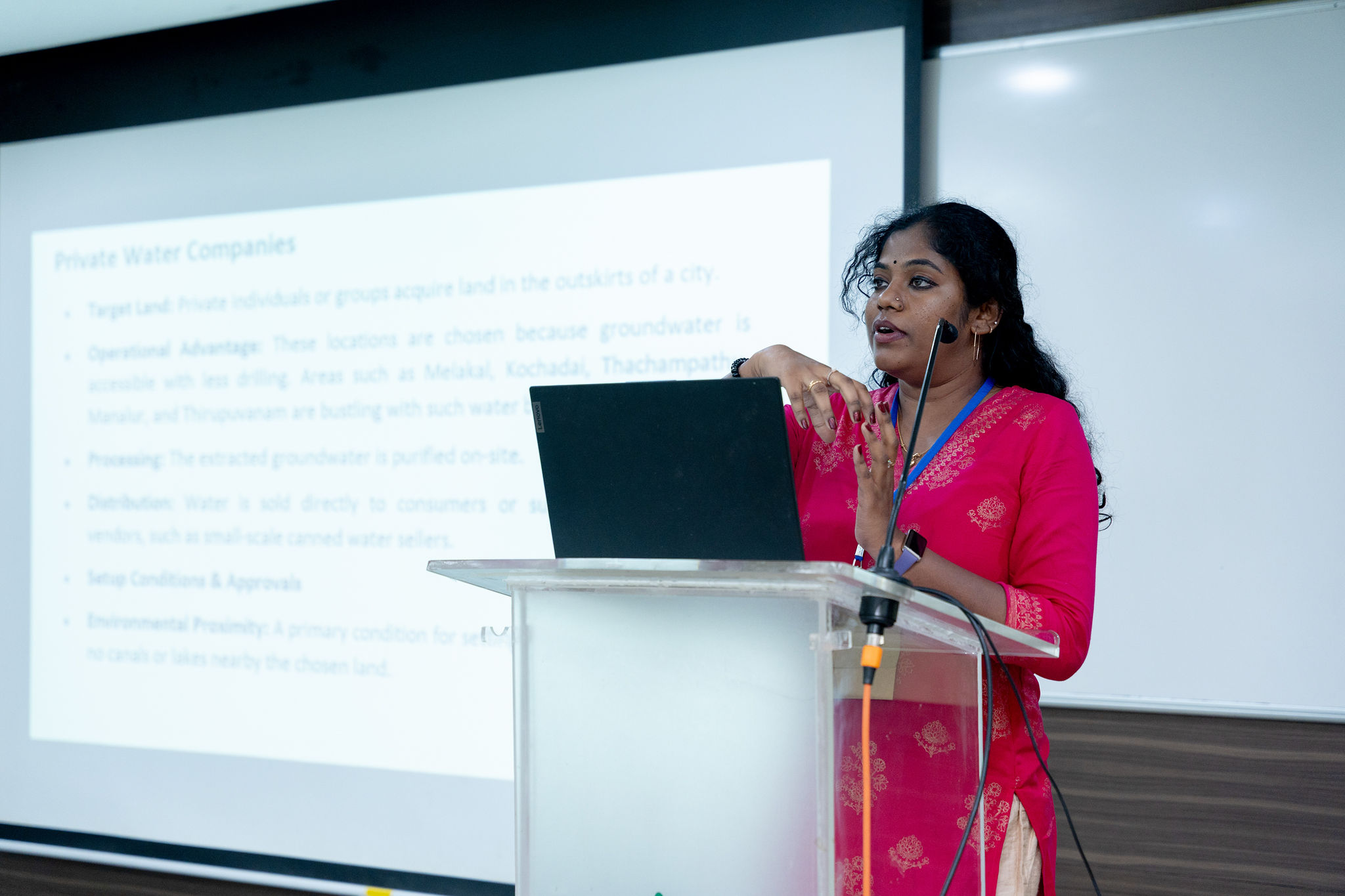
The Cities of Care Conference, co-hosted by UTIF, IIT Madras, and School of Cities, University of Toronto, was held on January 30–31, 2026, at IIT Madras, Chennai. The convening examined how the water-food-waste nexus shapes urban resilience, equity, and sustainability. Bringing together researchers, practitioners, and policymakers, it aimed to bridge disciplines and generate actionable insights for just and regenerative urban futures. 

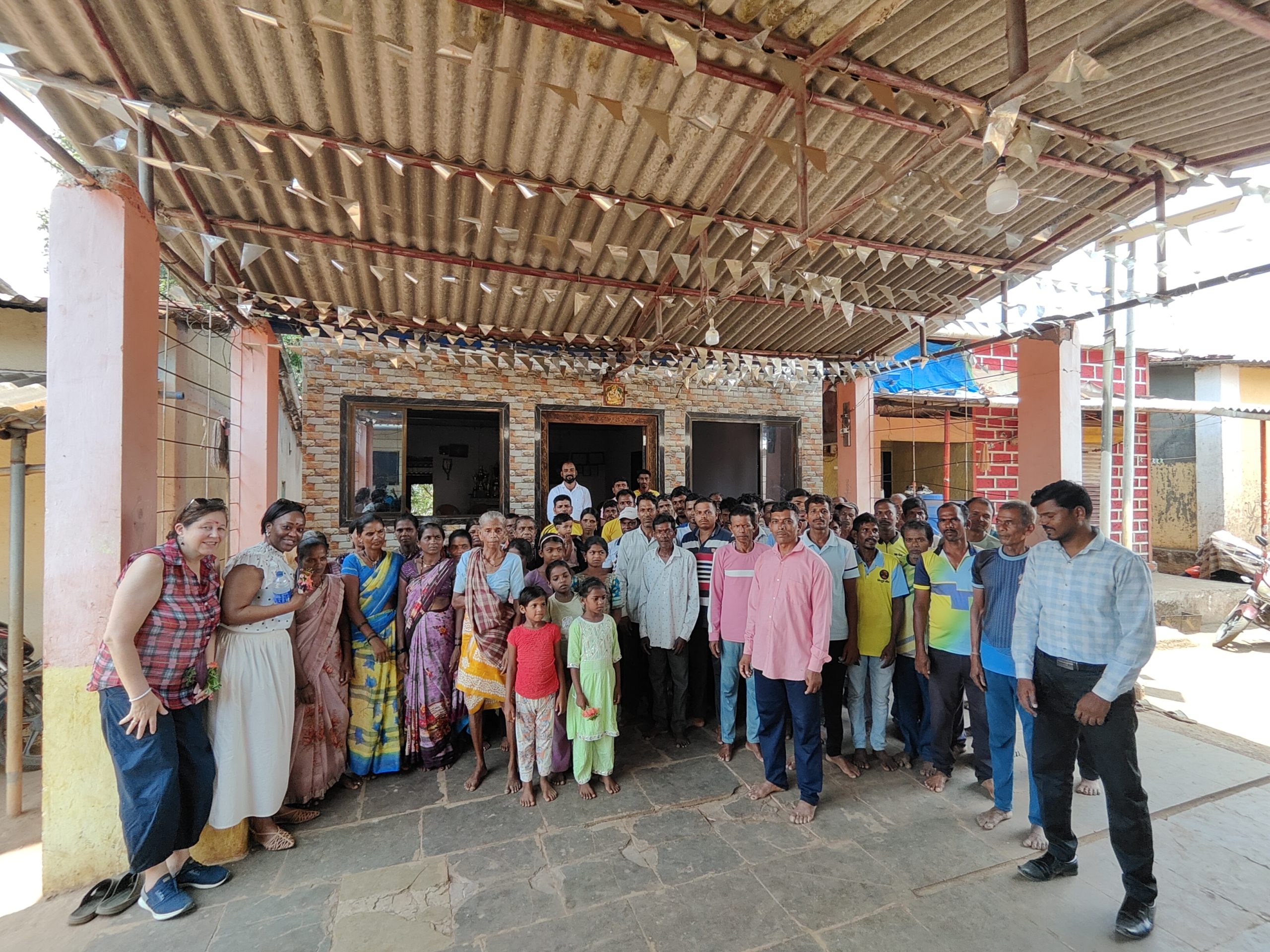
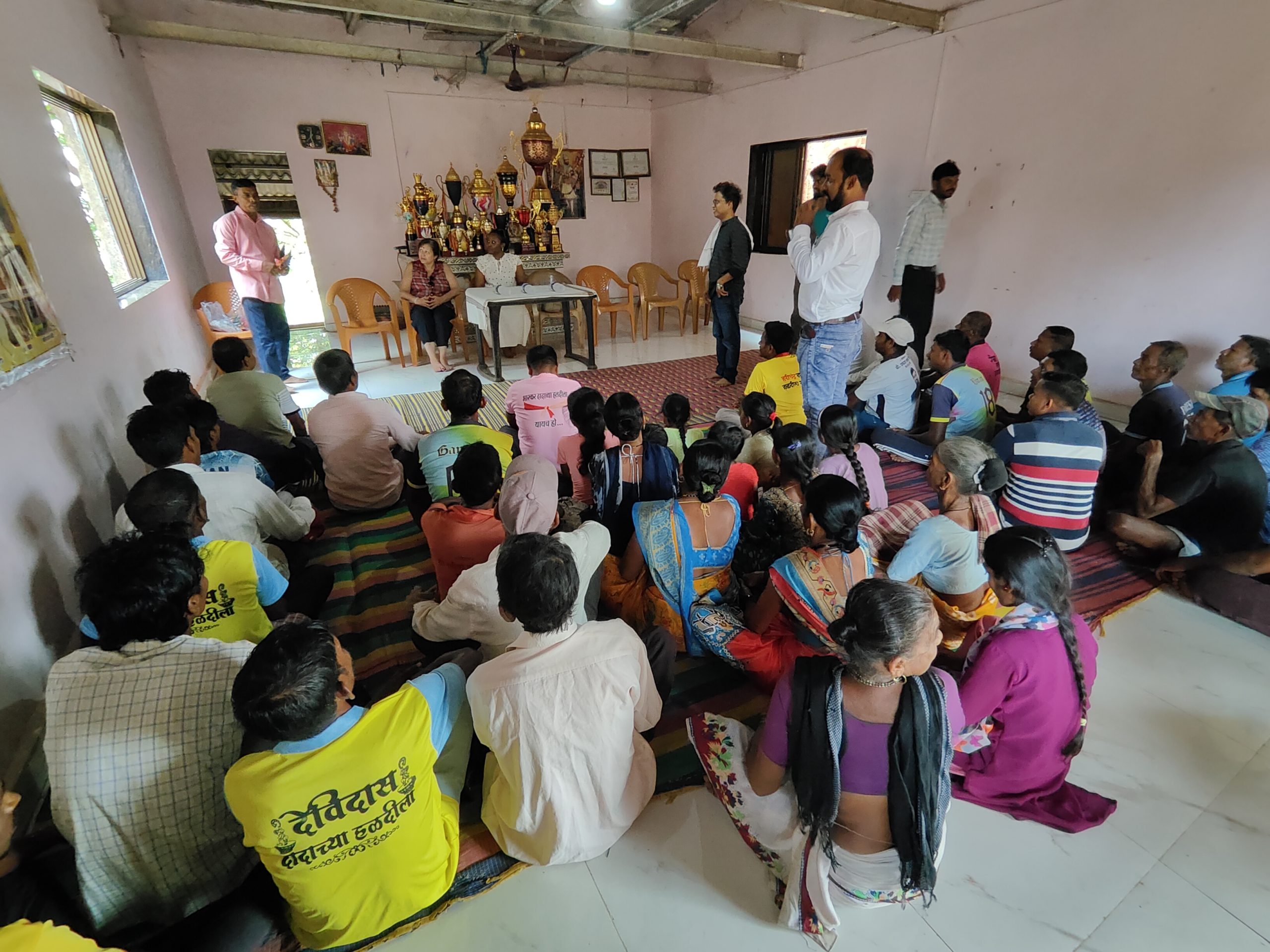
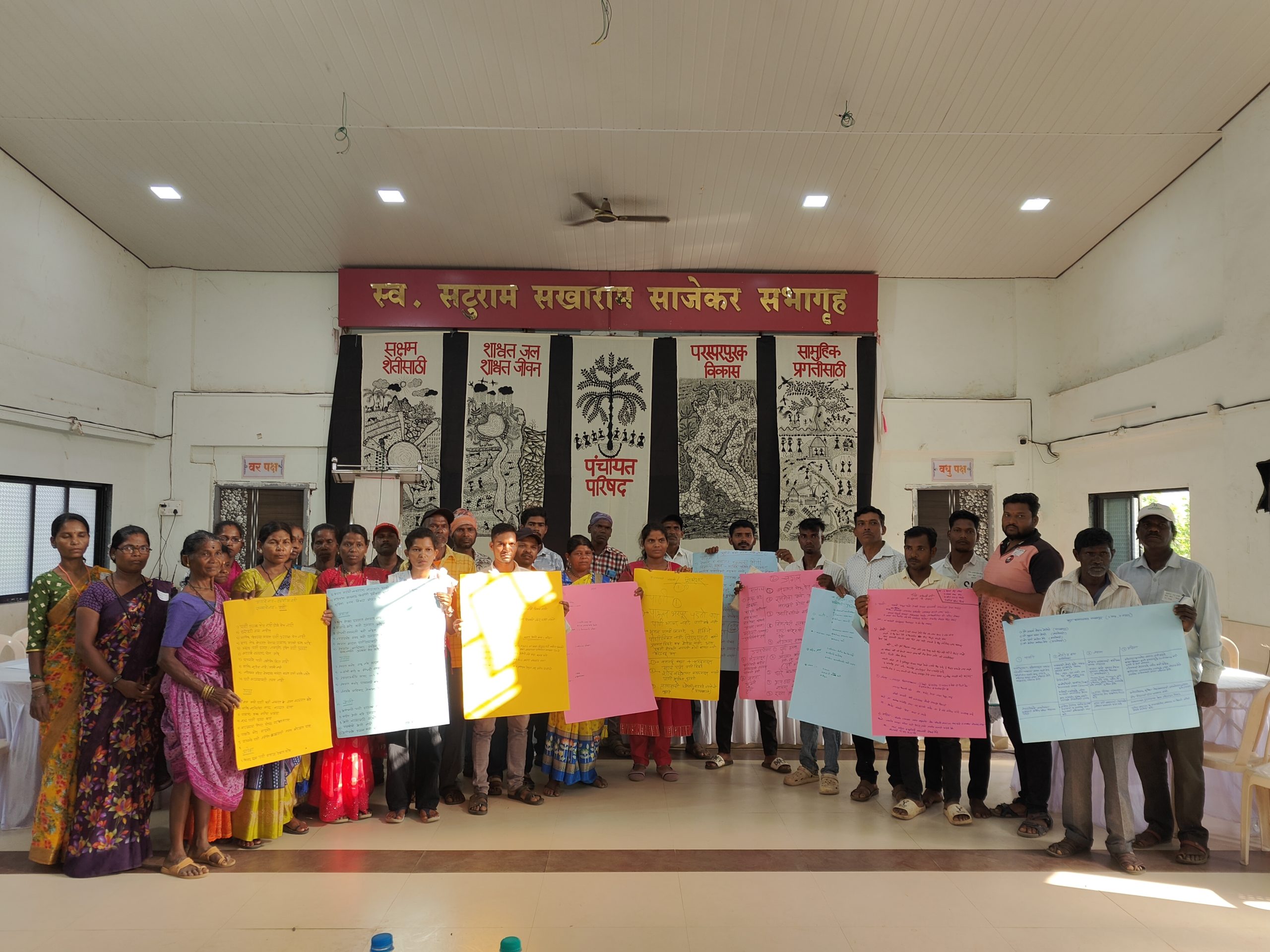
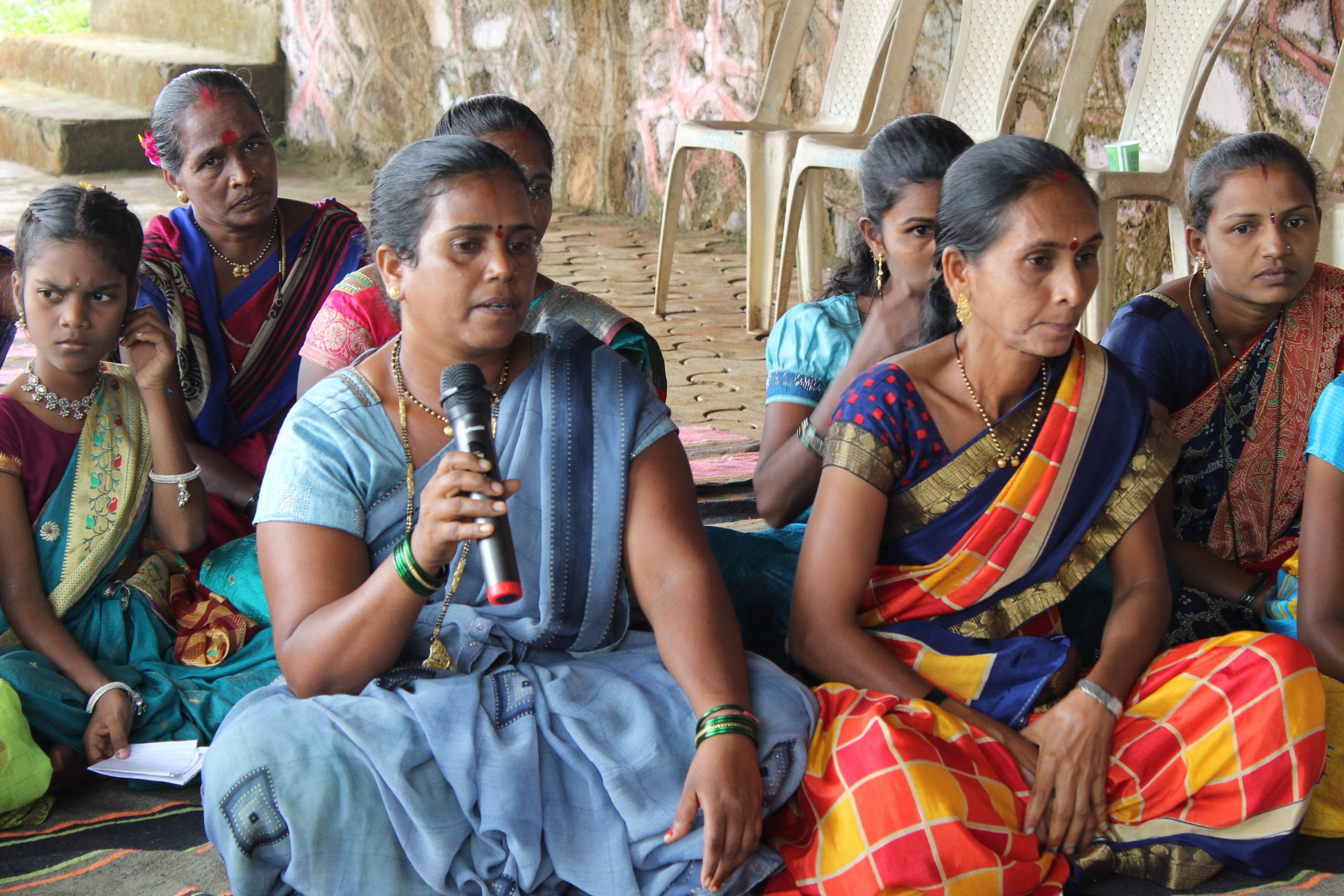
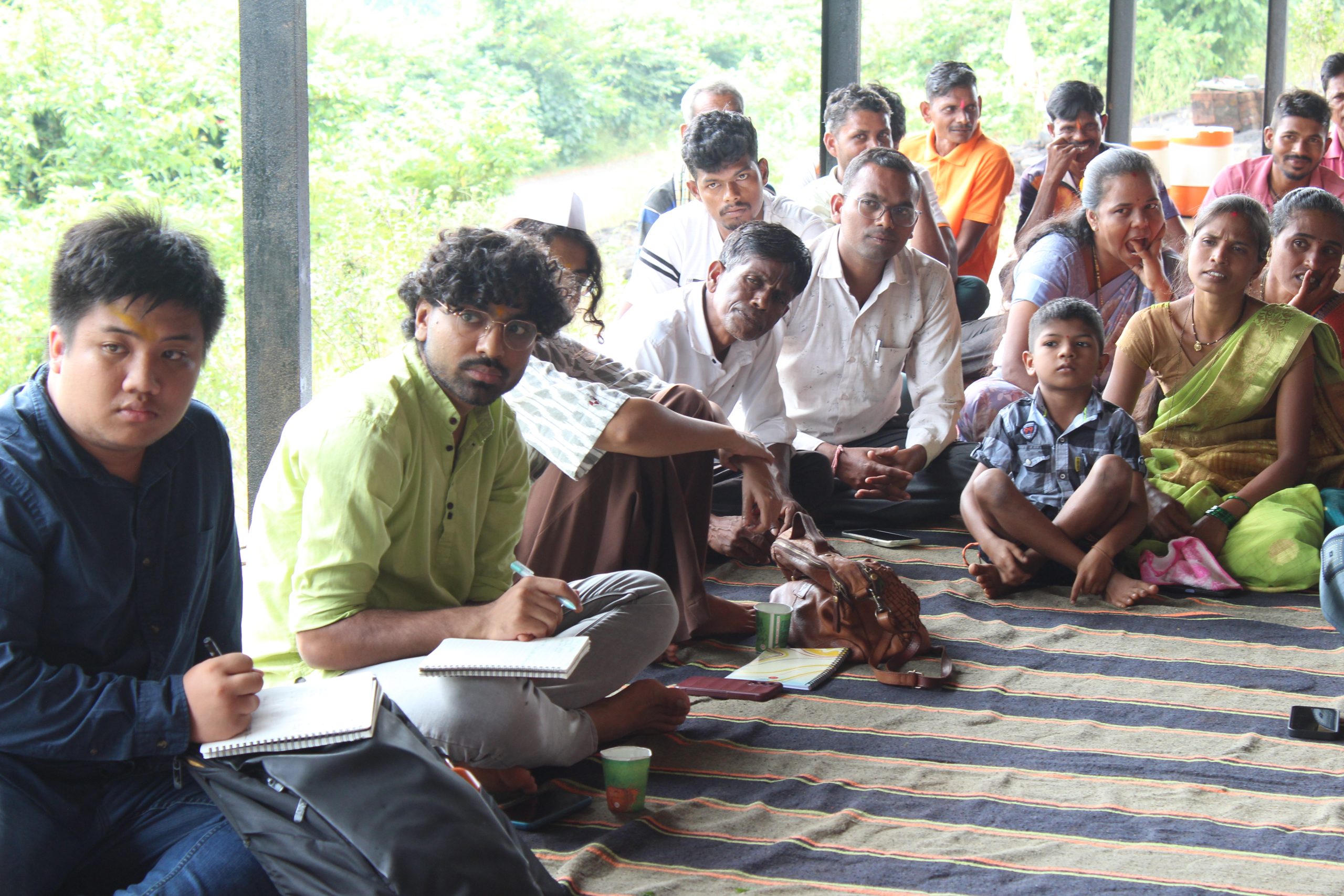
UTIF, in partnership with the Tata Institute of Social Sciences (TISS), Asar, and Waatavaran, convened the first Conference of Panchayats (CoP) in Raigad District on April 29, 2026. The convening brought together approximately 100 representatives from 22 villages and their respective Village Development Committees (VDCs) across seven Gram Panchayats, alongside elected representatives, including four Sarpanches, local government stakeholders, and technical experts. Designed as a participatory planning exercise, the CoP created a platform for dialogue on community-led climate resilience and decentralised planning, while strengthening the integration of locally identified climate priorities into Gram Panchayat Development Plans (GPDPs) and reinforcing community participation in climate-responsive local governance. 

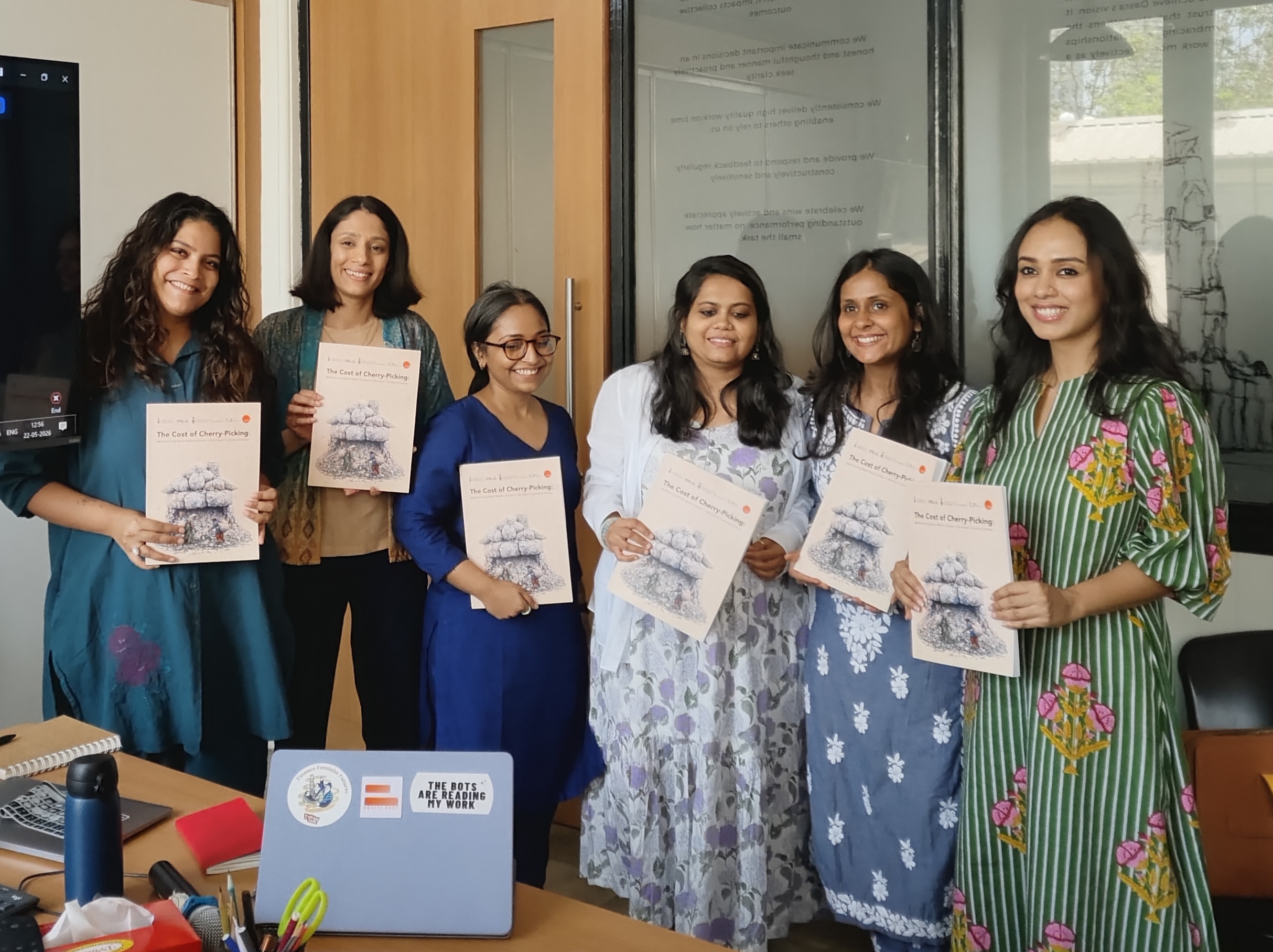
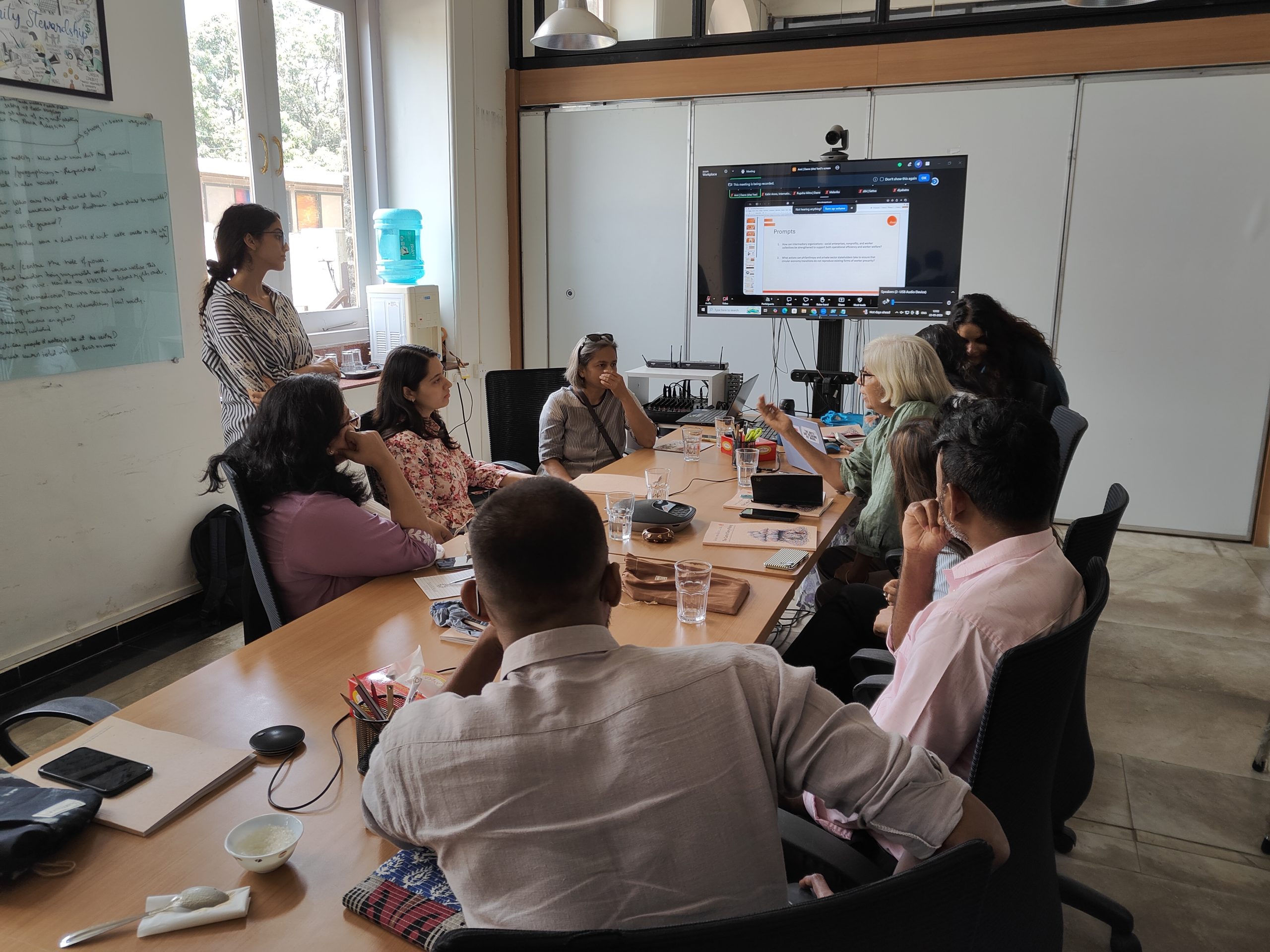
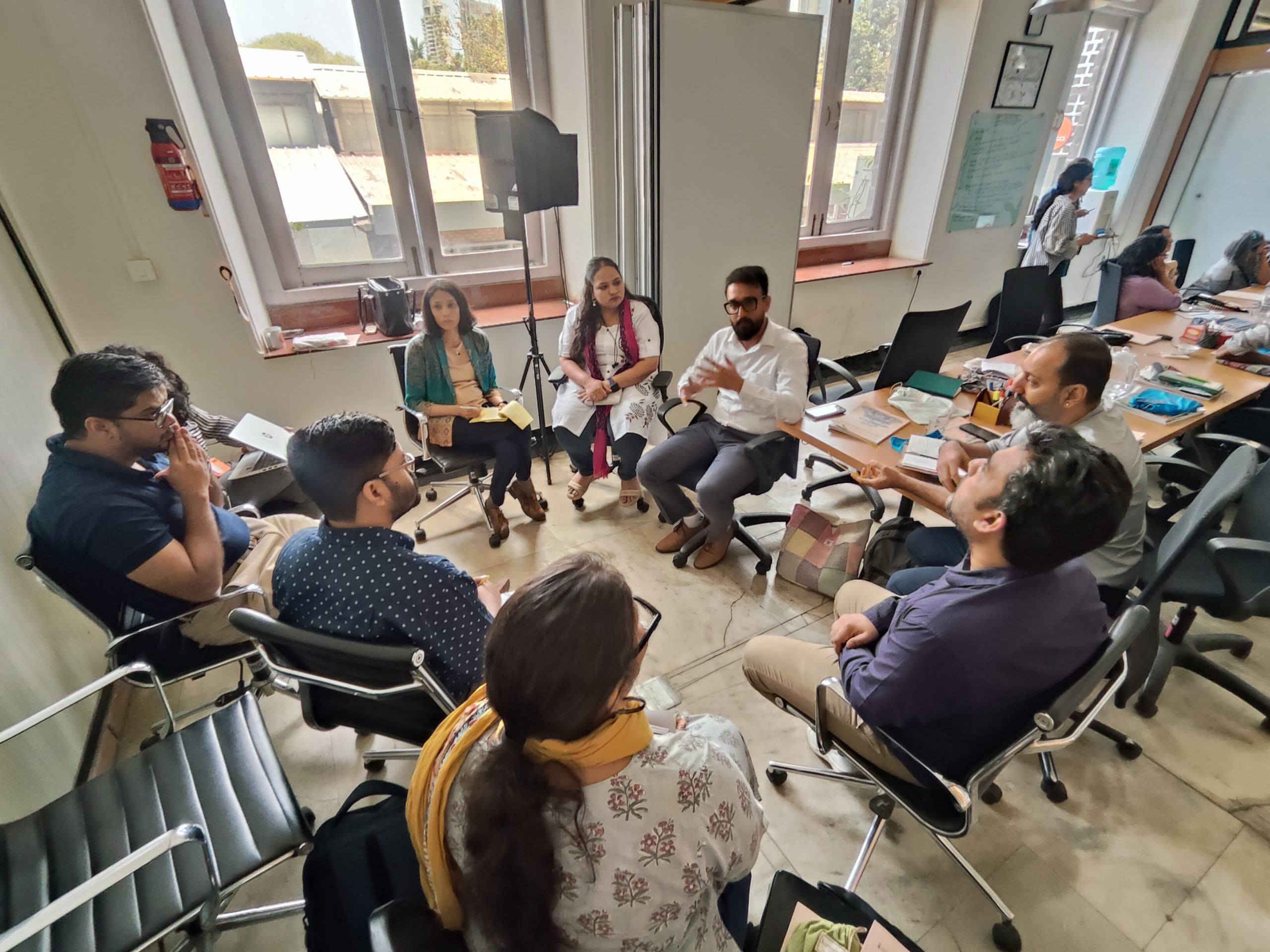
UTIF, in partnership with Dasra and U of T’s School of Cities, convened a hybrid roundtable in Mumbai on May 22, 2026, to launch the research report The Cost of Cherry-Picking: Understanding Waste Worker Inclusion in Municipal Circularity Initiatives, developed under the Research Catalyst Grants (RCG) 2025–26 programme. Led by Ms. Ami Misra (Dasra) and Prof. Nidhi Subramanyam (Department of Geography and Planning, U of T), the convening brought together approximately 30 representatives from civil society organisations, Urban Local Bodies (ULBs), academia, philanthropy, social enterprises, and the recycling sector to discuss pathways for strengthening waste worker inclusion within India’s evolving circular economy. 

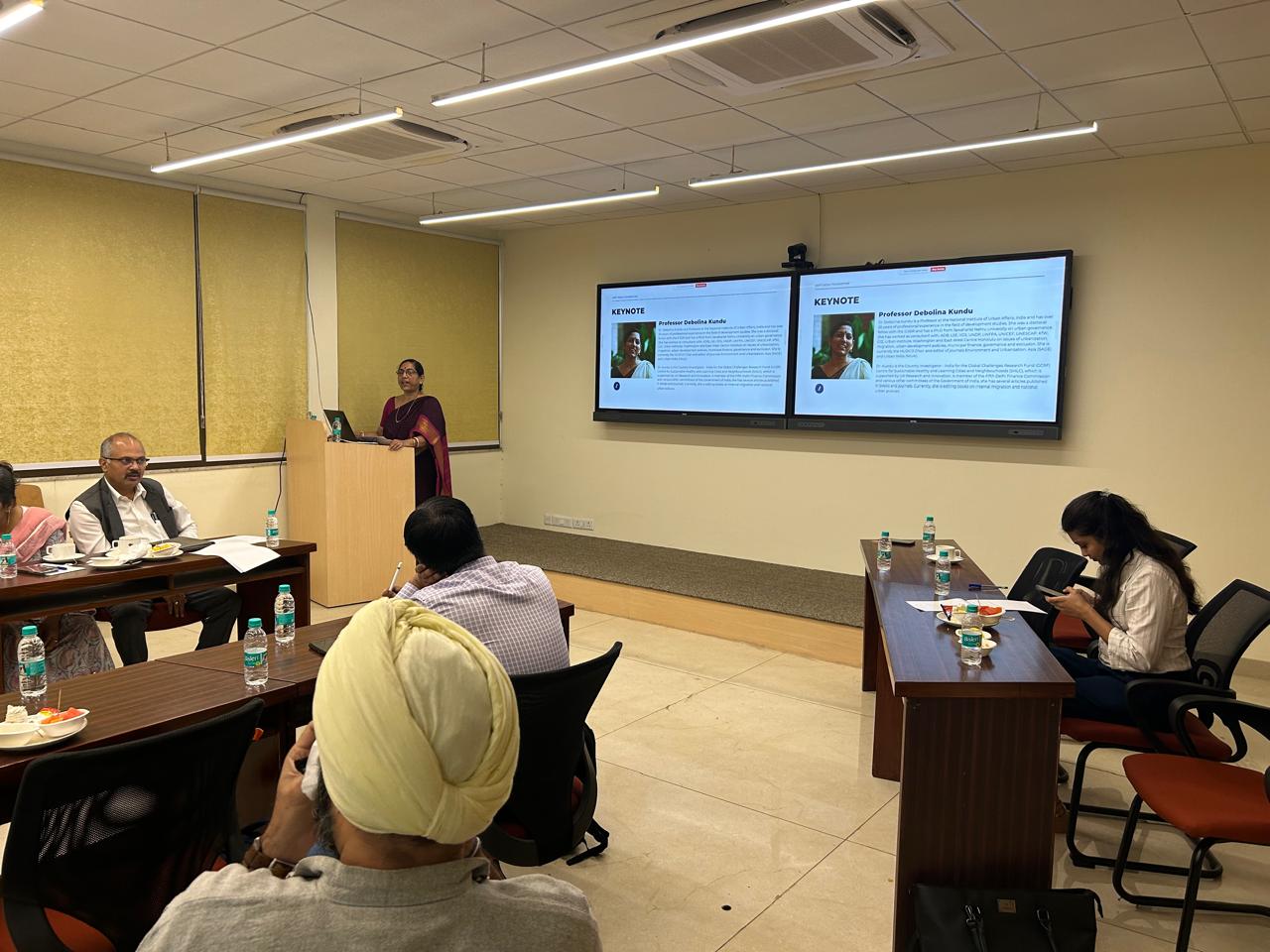
UTIF co-hosted a two-day national seminar in Mumbai on January 19–20, 2026, with the Tata Institute of Social Sciences (TISS), the Maharashtra State Climate Action Cell, Waatavaran, Asar, and PDAG on “Pathways to Gender-Responsive Local Climate Action and Justice.” Serving as a curtain-raiser to Mumbai Climate Week 2026, the seminar convened over 50 stakeholders from academia, government, civil society, and grassroots institutions. 

UTIF co-hosted the ARCS 10.0 NAGAR Conference with XIM University, Bhubaneswar, designed to bring entrepreneurs, Urban Local Body representatives, and policymakers into the same room as academic researchers working on urban transformation and sustainability. The conference featured over 40 research presentations, but its principal value lay in the structured engagement between innovators and government stakeholders. 6 UTIF-supported startups participated, and several received direct pilot propositions from government representatives during the convening, demonstrating the kind of research-to-implementation pathway that UTIF’s convening model is designed to enable.  

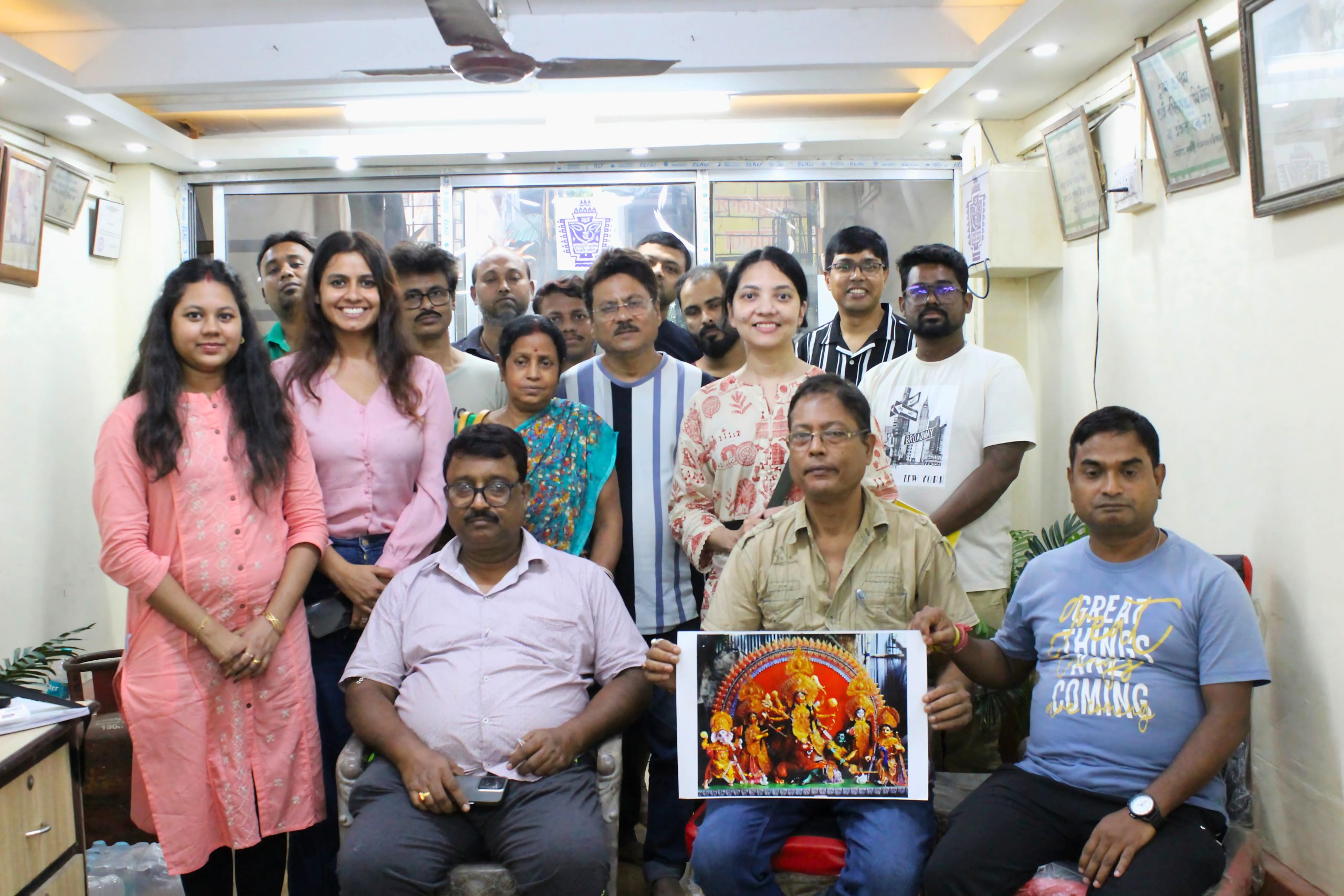
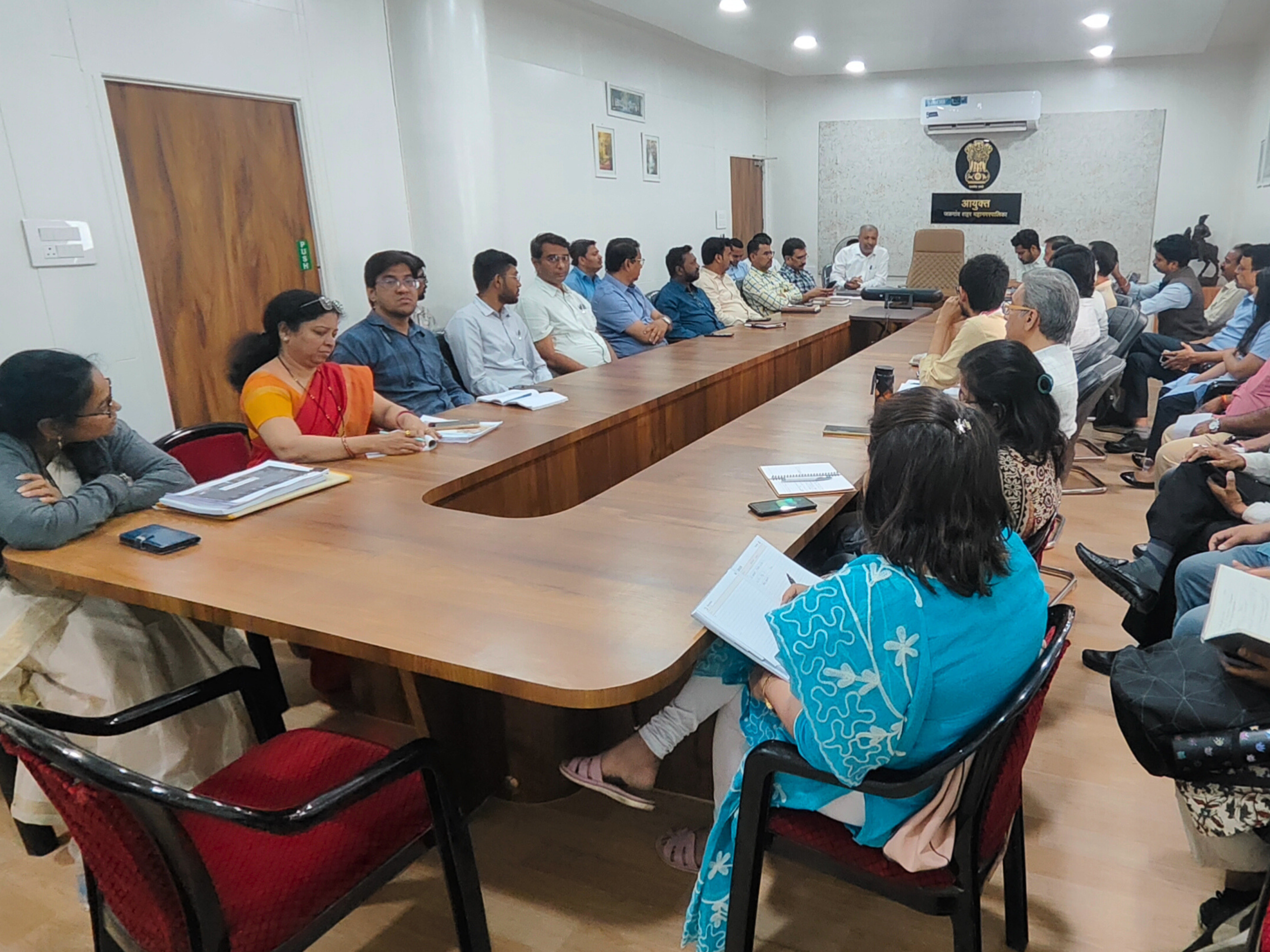
To strengthen the policy translation component of UTIF’s Heat Mitigation project, UTIF convened a high-level dialogue with the Maharashtra State Climate Action Cell (MHSCAC) on April 20, 2026, at the MHSCAC office in Mumbai. The dialogue brought together representatives from the Government of Maharashtra, Jalgaon City Municipal Corporation (JCMC), Mahila Housing Trust (MHT), the University of Toronto, and UTIF. As part of UTIF’s broader strategy to connect implementation evidence with state-level climate planning, the dialogue showcased findings from UTIF’s multi-year partnership with MHT in Jalgaon, alongside comparative research on Heat Action Plans (HAPs) across India led by Prof. Praneeta Mudaliar, Department of Geography, Geomatics and Environment, U of T. 

The CRUSH roundtable, held in Delhi in July 2024, brought together Indian researchers, urban planners, civil society, and government representatives to explore climate-resilient urban solutions. It was hosted in collaboration with U of T’s School of Cities and IIT Delhi’s Electrical Engineering Department. 

In partnership with IIIT-Bangalore and School of Cities, University of Toronto, we hosted the first annual ‘AI and the City’ conference in Bangalore in January 2025. Featuring 35+ speakers from India, Canada, Australia, and the U.S., the conference explored AI’s role in shaping smarter, more inclusive, and sustainable cities. 

Capacity-Building

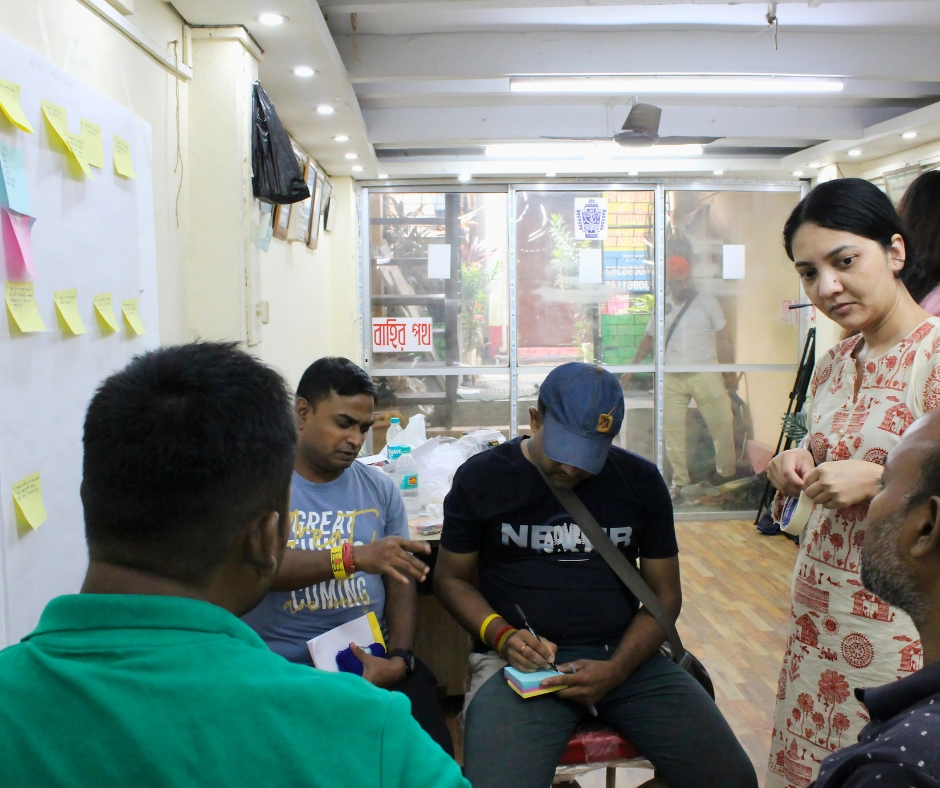
UTIF co-develops workshops and capacity-building initiatives for Indian changemakers, strengthening the skills, knowledge, and capabilities needed to advance more sustainable cities. These efforts complement UTIF’s research portfolio by bringing U of T expertise into implementation initiatives and building partners’ capacity in research, evidence generation, policy analysis, and knowledge translation.

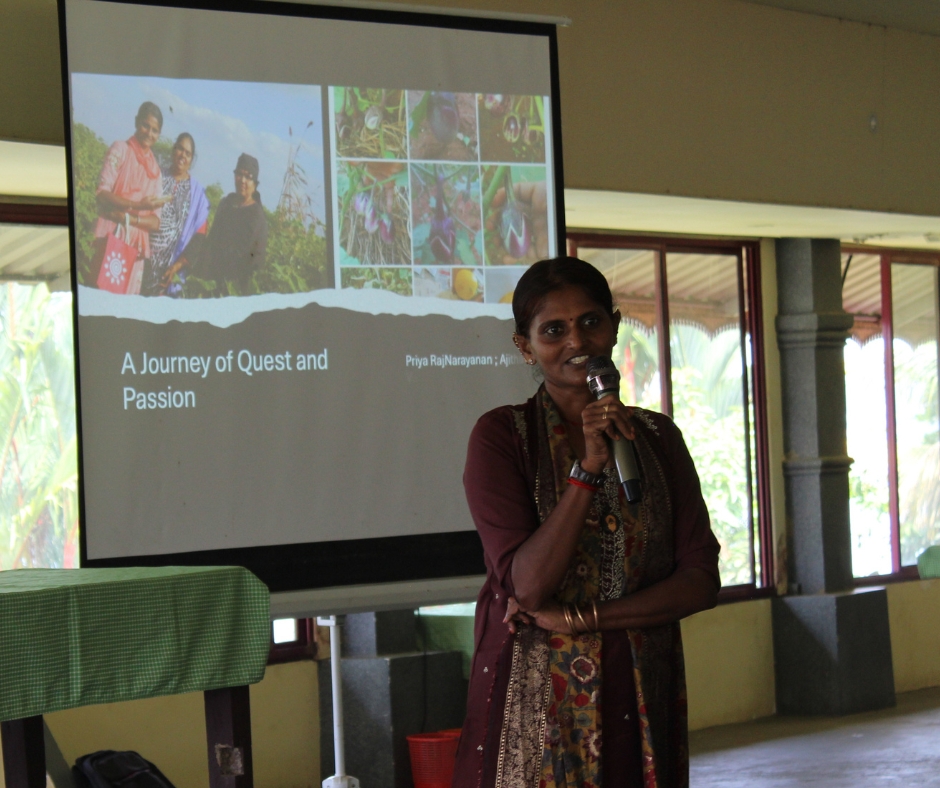
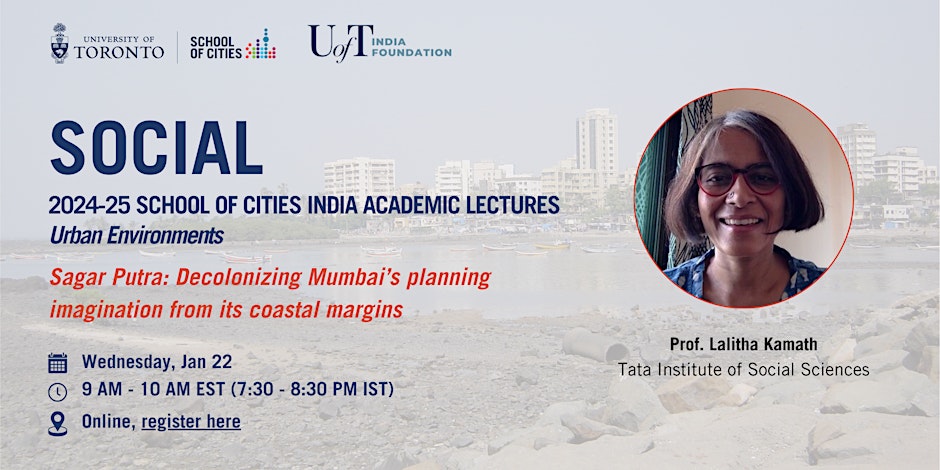
The Social Speaker Series brings together researchers, practitioners, and thought leaders to share diverse perspectives on contemporary social and development challenges. The series creates a space for dialogue, knowledge exchange, and interdisciplinary learning across academic and practitioner communities. 

Past Initiatives

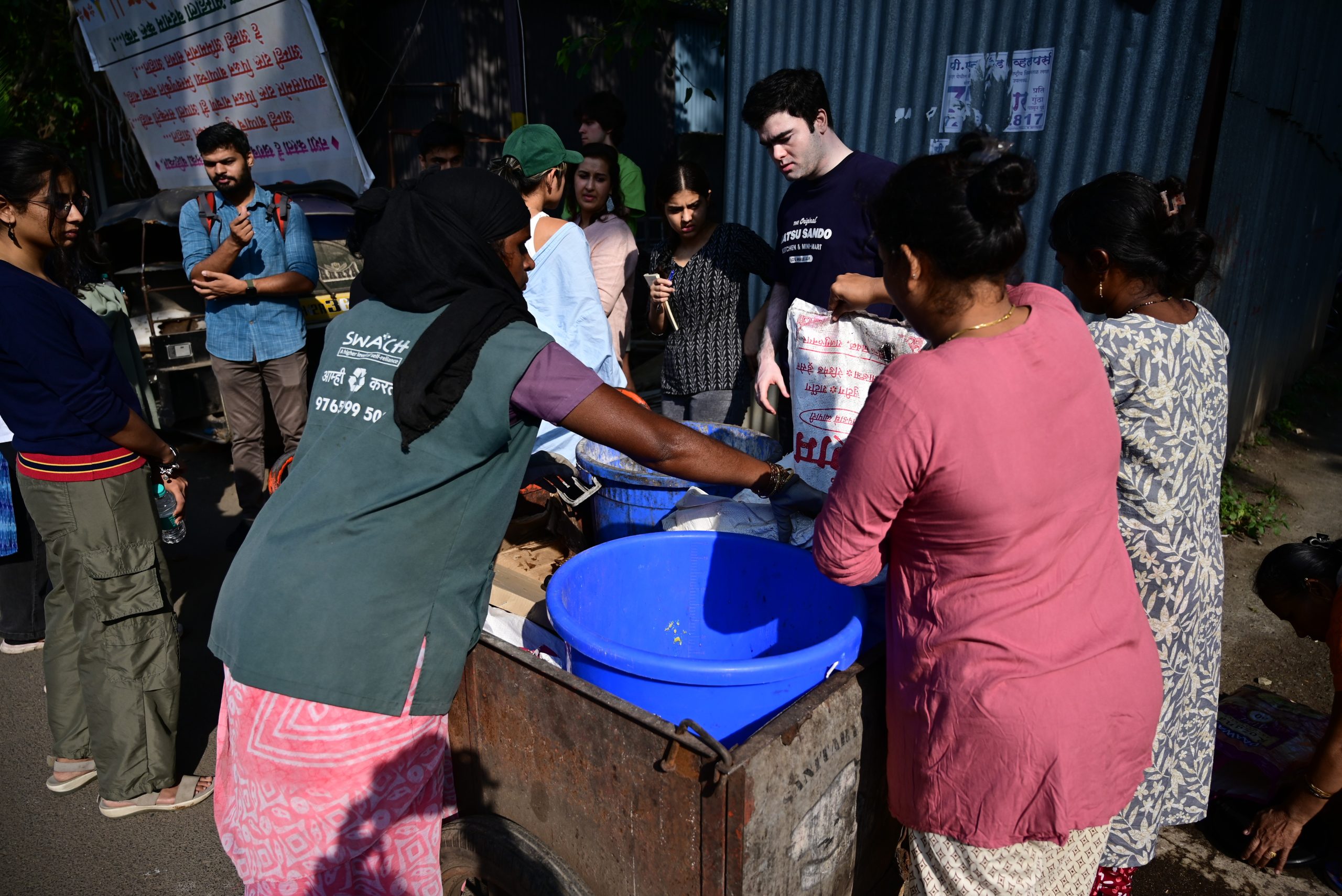
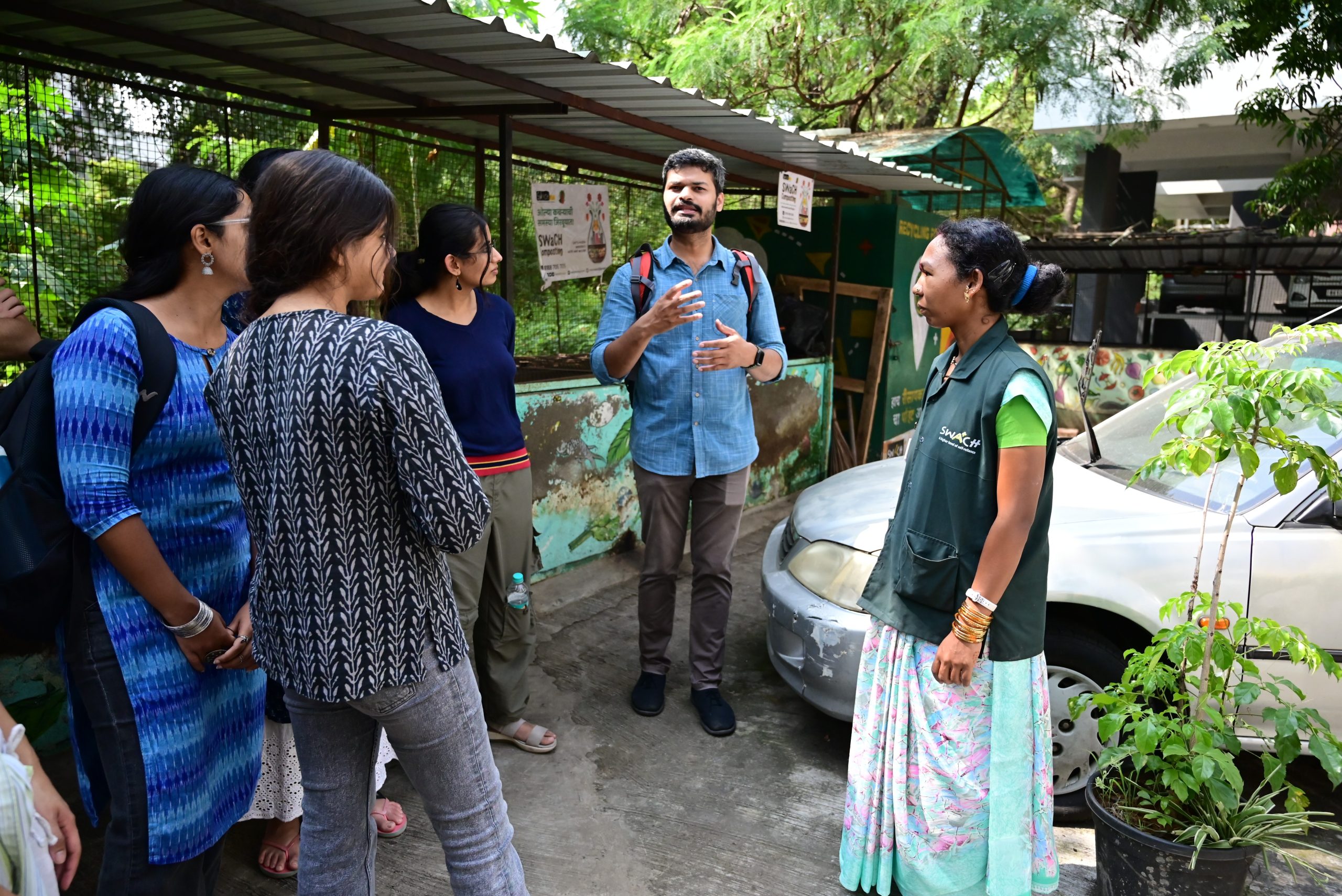
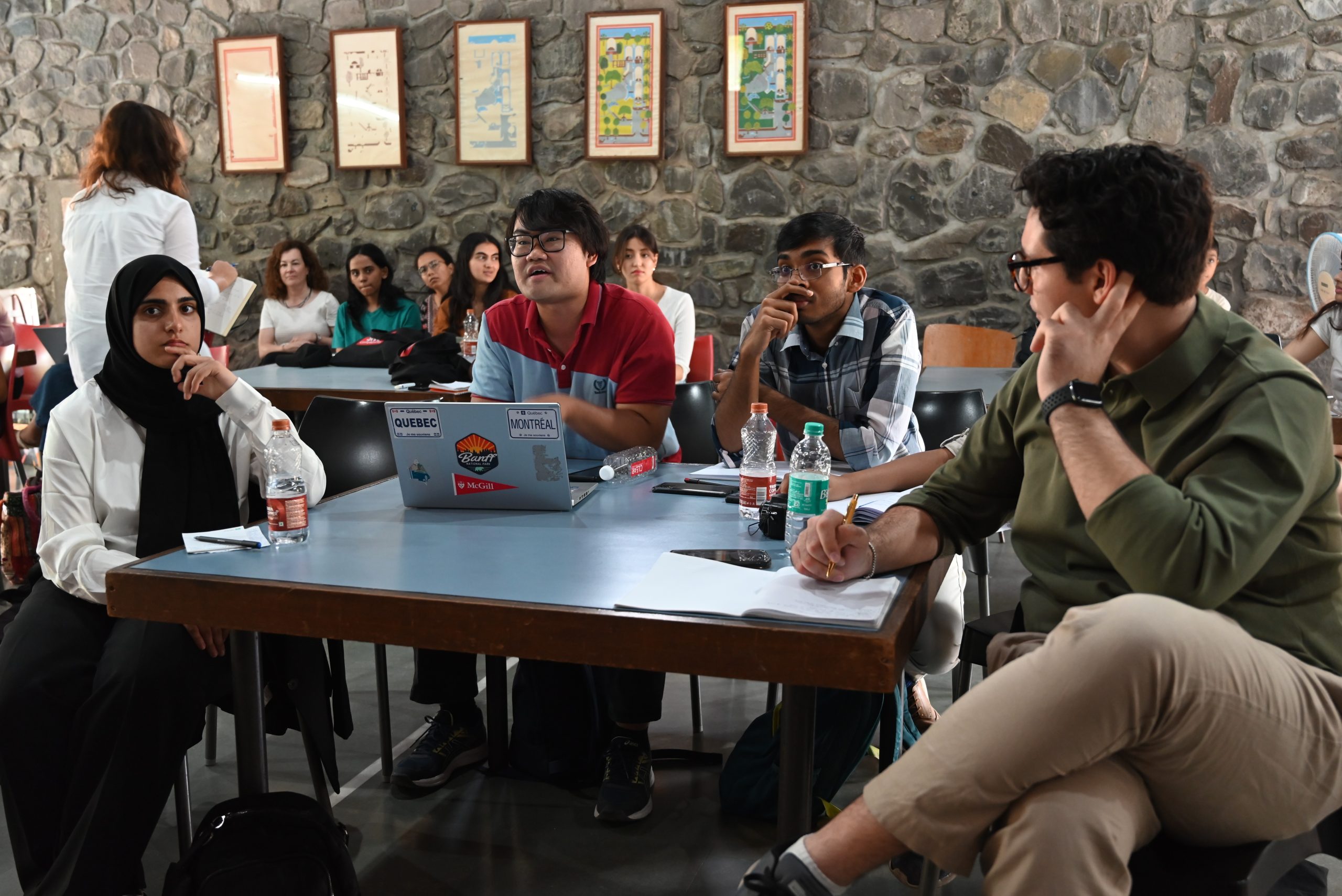
IMUCP program is a year long fourth-year undergraduate course at U of T where talented, creative and motivated students are placed in multidisciplinary teams and matched with Indian university students as well as an Indian community partner to research, propose, and ultimately prototype an intervention to address a challenge. UTIF has hosted three iterations of IMUCP since 2023-2024. 

UTIF supports Indian PhD students to attend the annual Urban Mixed Methods Workshop hosted by U of T’s School of Cities, where researchers strengthen their urban research methodologies, refine their research on cities, and build interdisciplinary networks of city-builders. 

Engaging with us

Academic Institutions & Research Centers

We collaborate with Indian universities and research institutions enabling knowledge exchange and joint research projects in India to foster evidence-based research on critical sustainability challenges.

Not-for-profit organizations

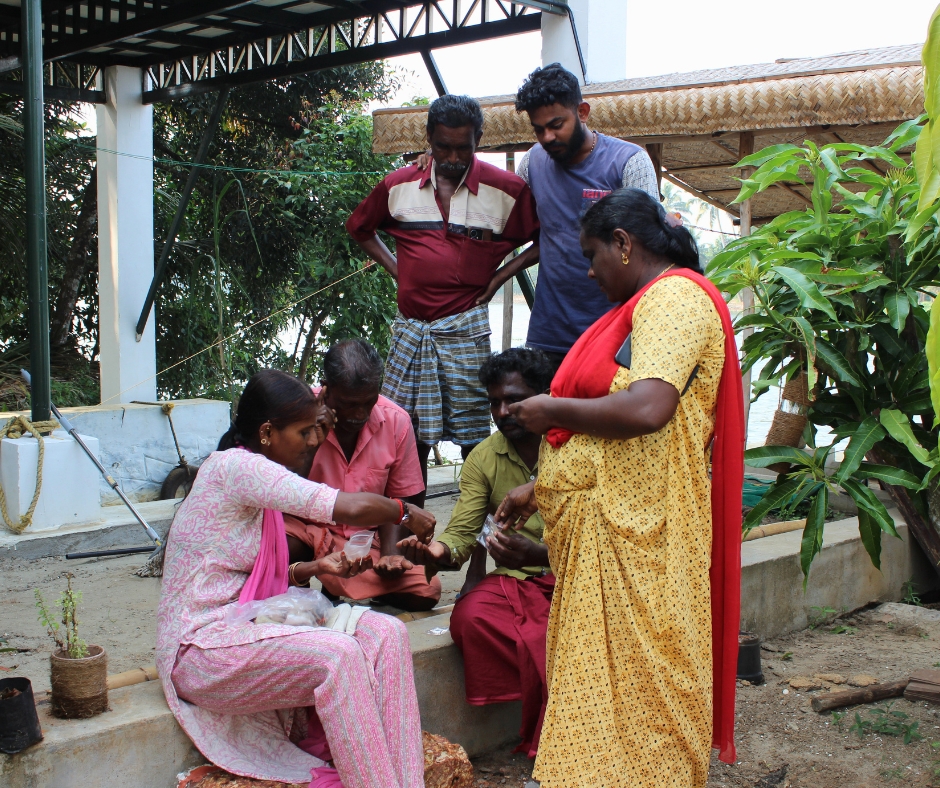
We partner with not-for-profit organizations, combining their on-the-ground knowledge with U of T’s academic expertise to shape locally grounded research, evidence, and solutions that can inform policy and practice in India.

Think Tanks & Policy Organizations

We support research-driven policy recommendations, focusing on generating high-impact studies, organizing knowledge-sharing roundtables, and bridging the gap between academic research and policy implementation.

Industry & Research Ecosystem

We collaborate with industry leaders, innovators, and research organizations to apply emerging research in real-world contexts, strengthen pathways from evidence to implementation, and scale practical solutions to sustainability challenges.

Our Current Projects

For IMUCP 2024-2025, we partnered with Ashoka University to form a joint cohort of Canadian and Indian students, working together on sustainability projects in Pune. SWaCH and RannNITI are our community and field partners who are working closely with the student groups on their projects. Further, the students will receive technical guidance from Yutak- an LGBTQ+ charitable group and Center for Development Studies and Activities (CDSA) as subject matter experts.

This project will create a guidebook on SWaCH’s waste trail, serving as a case study for scaling its model. It will also raise awareness of waste pickers’ work and support SWaCH’s financial sustainability.

Partners: SWaCH Waste Pickers Co-operative

This project will create a document on the challenges, opportunities, and best global practices for repurposing spaces under flyovers.

Partners: RaNNniti and CDSA, Pune

This project will develop a multi-lingual resource guide (print and virtual) detailing welfare schemes and skilling avenues accessible to transgender communities.

Partners: RaNNniti and Yutak LGBTQ+ initiative

For more information, Click Here

Get in touch with us

If you’re interested in collaborating with us, or just want to learn more about us, drop us a ‘hey’ and we’ll get back to you!

    captcha